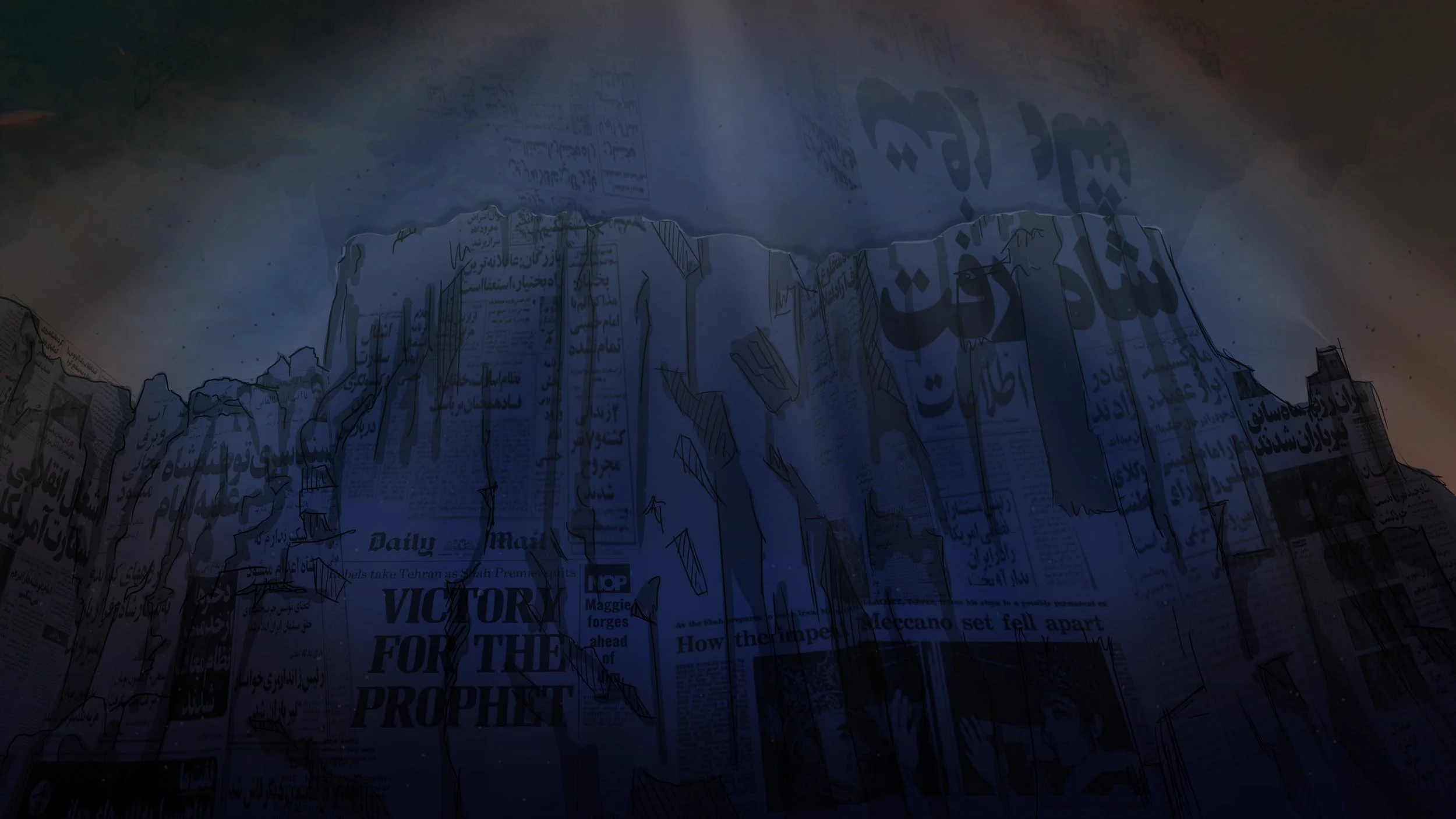
Blue Bird is a short animated film about a ballet dancer whose life and artistic future are irrevocably altered by Iran’s 1979 Revolution. Here’s a minute long proof of concept of the film that is currently at animatics stage.
Log line:
After Iran’s 1979 Revolution ends his ballet career, a gifted dancer must confront loss, addiction, and the possibility of redemption through the art he thought he had lost forever.

Synopsis:
Set against the aftermath of Iran’s 1979 Revolution and inspired
visually by classical Persian illustrations, Bluebird follows a gifted ballet dancer whose career ends when the world that once sustained his art disappears. Stripped of purpose and community, he retreats into grief and addiction. Through the enduring memory of his mentor and the pull of dance, he begins to confront what has been lost—and discovers that artistic identity can survive even when the stage is gone.
Story Origin
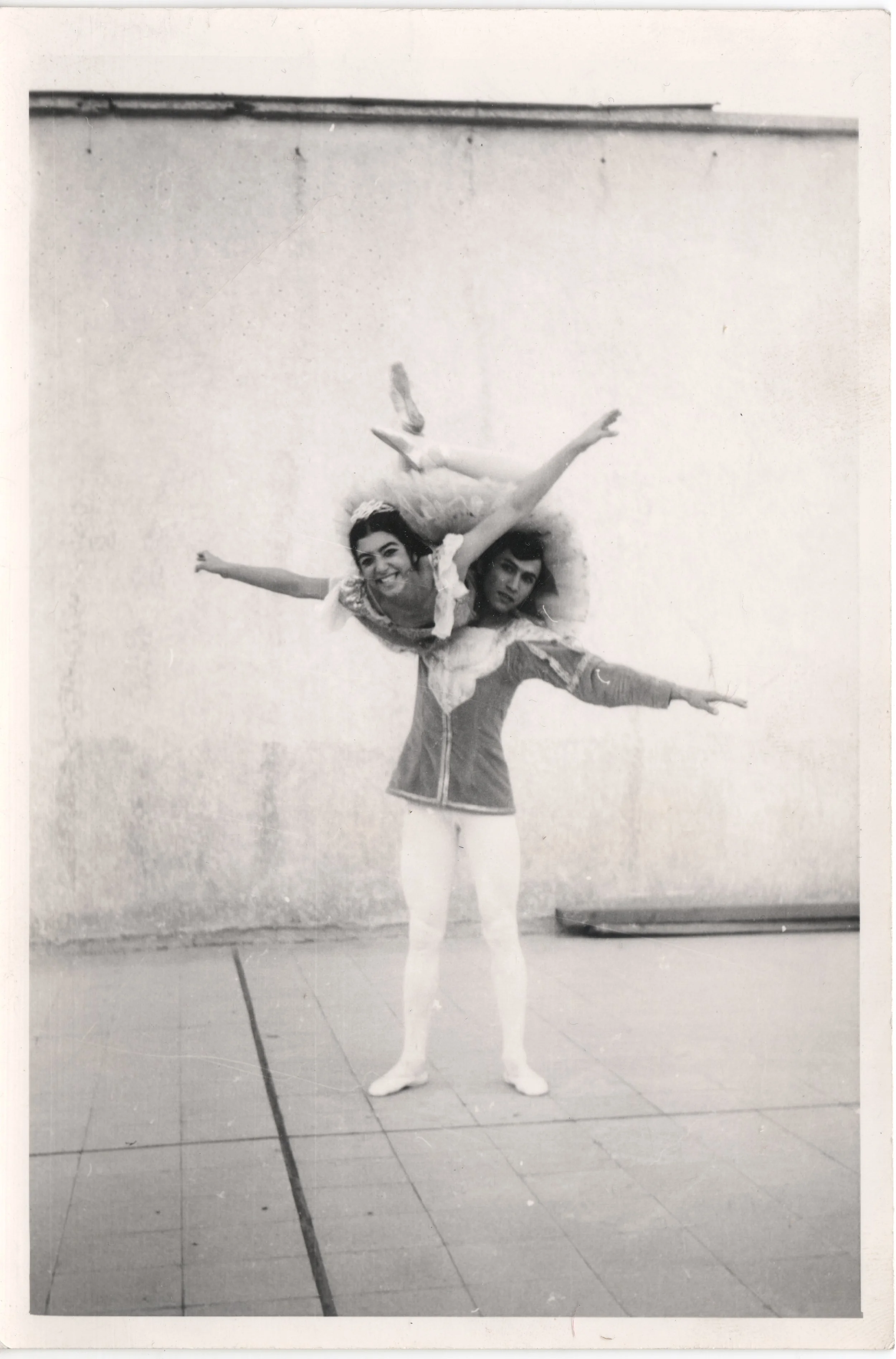
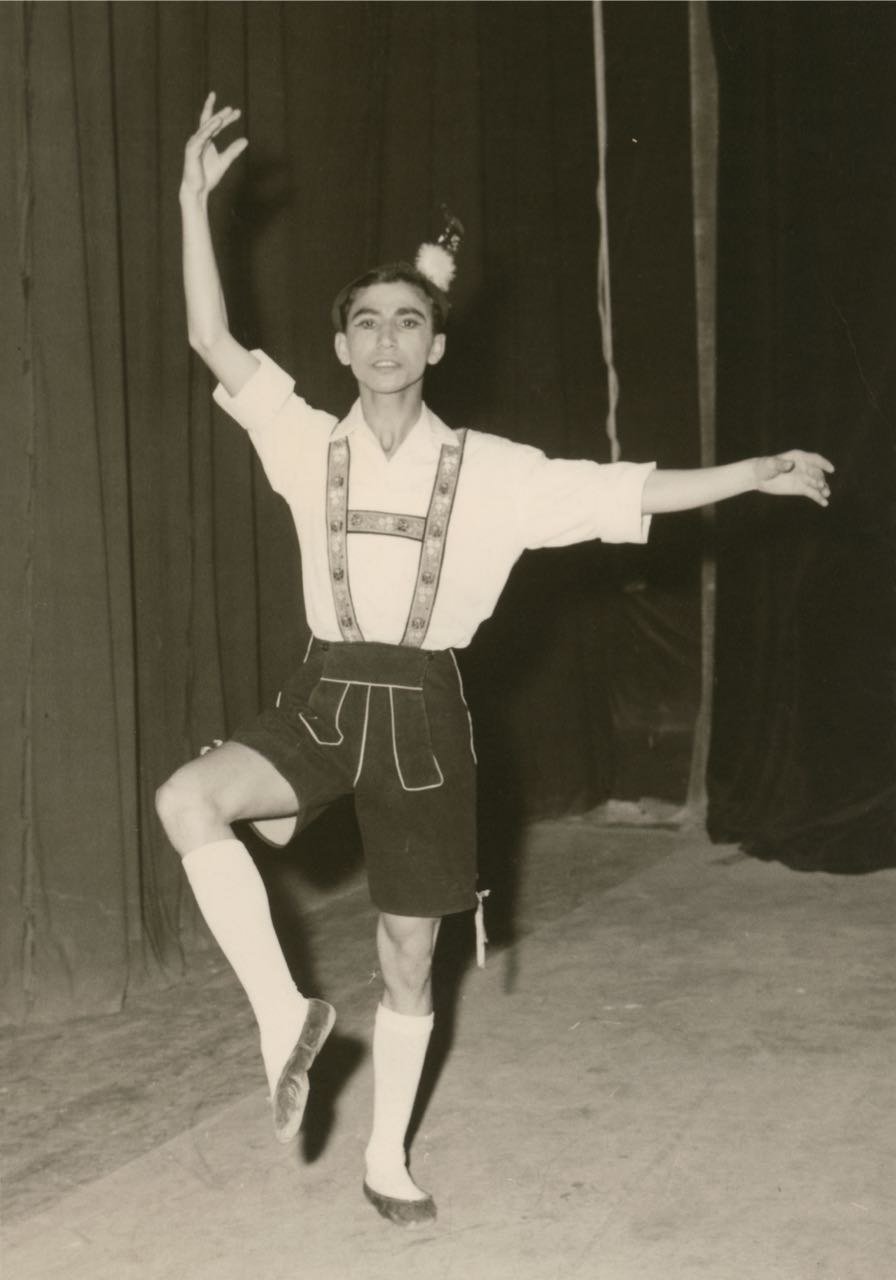
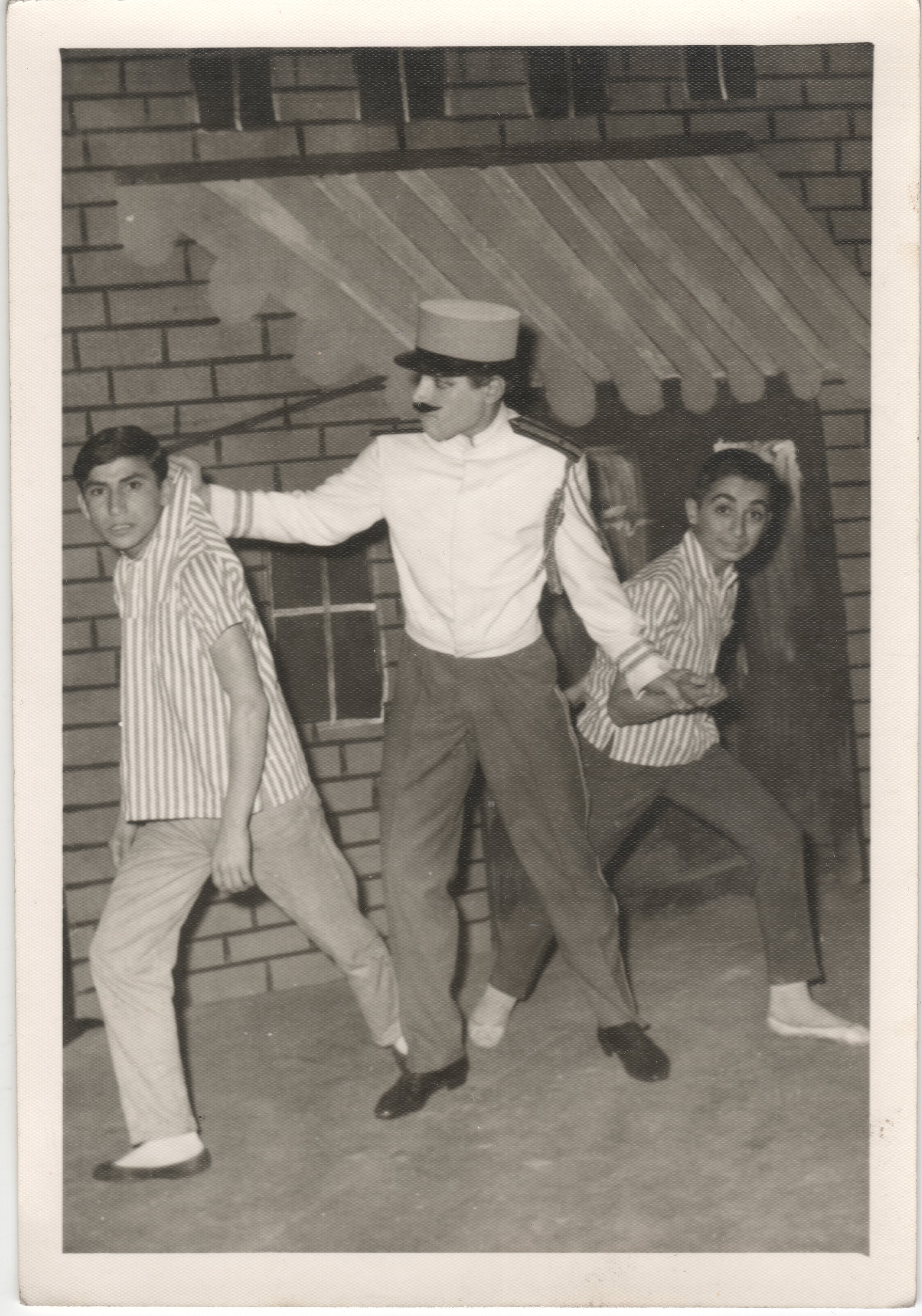
Bluebird began with my father’s story. He was a successful soloist with the National Ballet Company of Iran, and dance was the center of his life. After the 1979 Revolution, his career came to an abrupt end. The stage, community, and artistic language that had defined him were suddenly gone.
This film is not a direct biography of my father, but his experience is at its core. It is also a tribute to a generation of Iranian artists whose lives were interrupted, restricted, or silenced. What happens after the public story is over and an artist must live with the loss of a vocation, a community, and a sense of self.
In Bluebird, I wanted to approach this history through the intimate
journey of one dancer’s struggle after losing the ability to practice art. At the same time, the film holds onto the possibility that an artistic identity cannot be completely erased.
Animation is essential to telling this story. Beyond its expressive and surreal possibilities, it gives me a way to recreate what no longer exists and what I cannot directly access: a lost history. Through animation,
I can return to vanished stages, while also entering the dancer’s interior world, where memory, longing, fear, and joy can coexist.
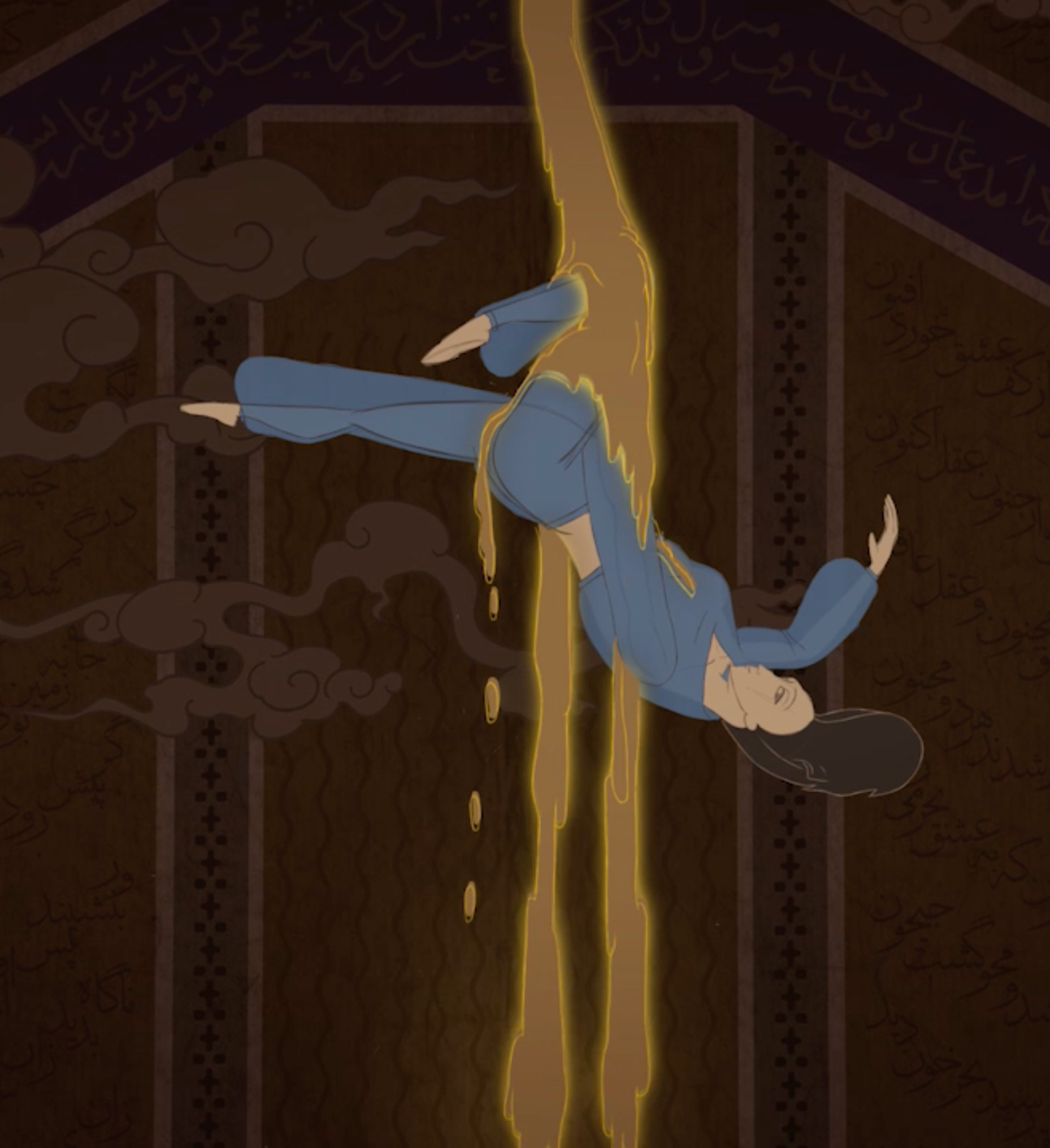
I am deeply influenced by Iranian illustration, particularly the miniature traditions of the fourteenth and fifteenth centuries. Their layered compositions, symbolic imagery, flattened space, and rich use of color shape the visual language of the film. Typography is also a recurring presence in my work; I am interested in its ability to function as image, rhythm, texture, and emotional expression.
Metaphor is woven throughout the film. The bluebird is a central symbol of redemption and return. Dance, too, becomes more than performance. It is a form of memory and survival. My hope is that Bluebird will resonate beyond its specific historical setting. It is a story about Iran, but also about anyone who has been separated from a passion, a homeland, or a version of themselves. Through one dancer’s life, I hope to honor the resilience of artists and the cultural memory they continue to carry forward.
Themes and Emotional Journey
Artist
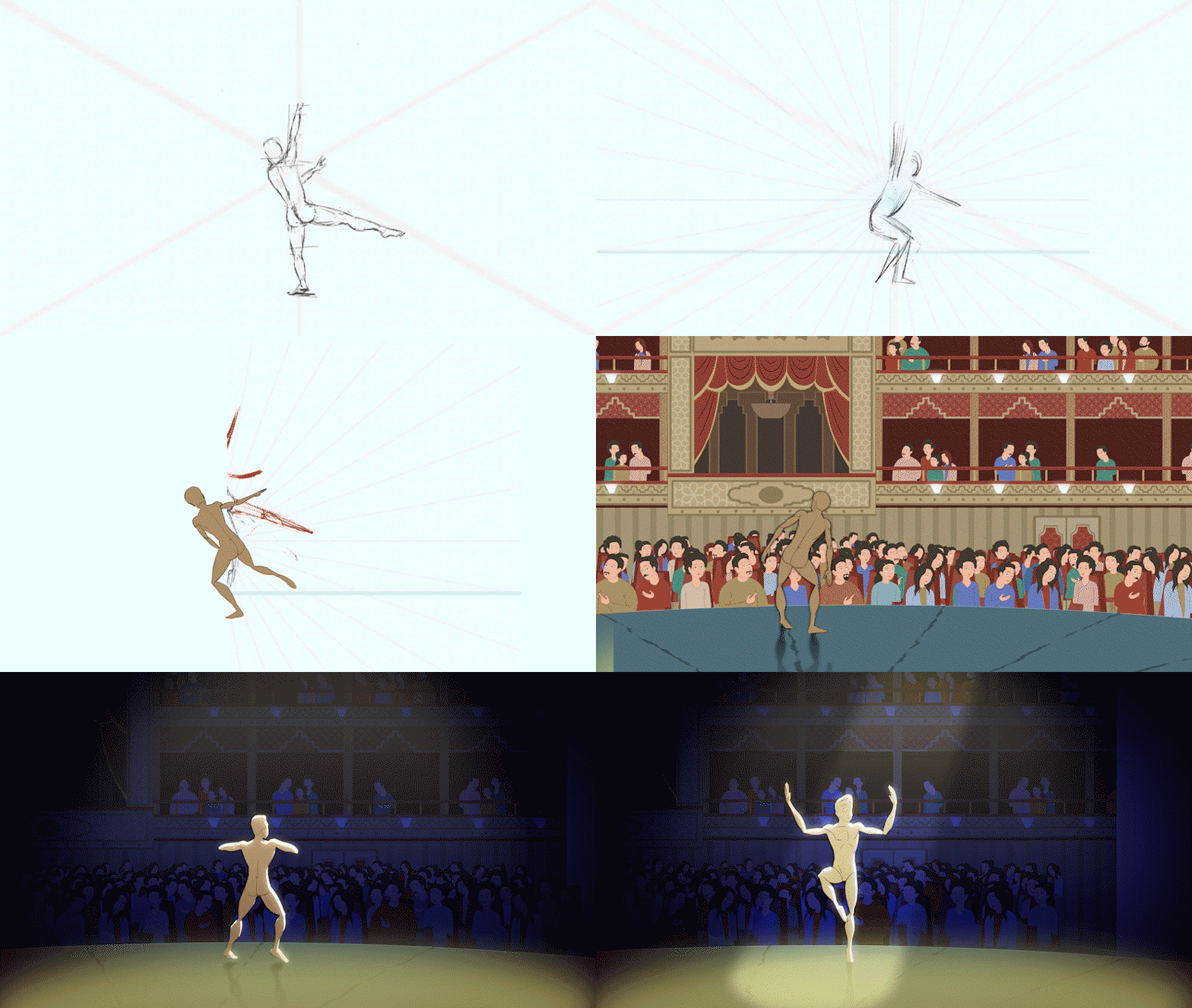
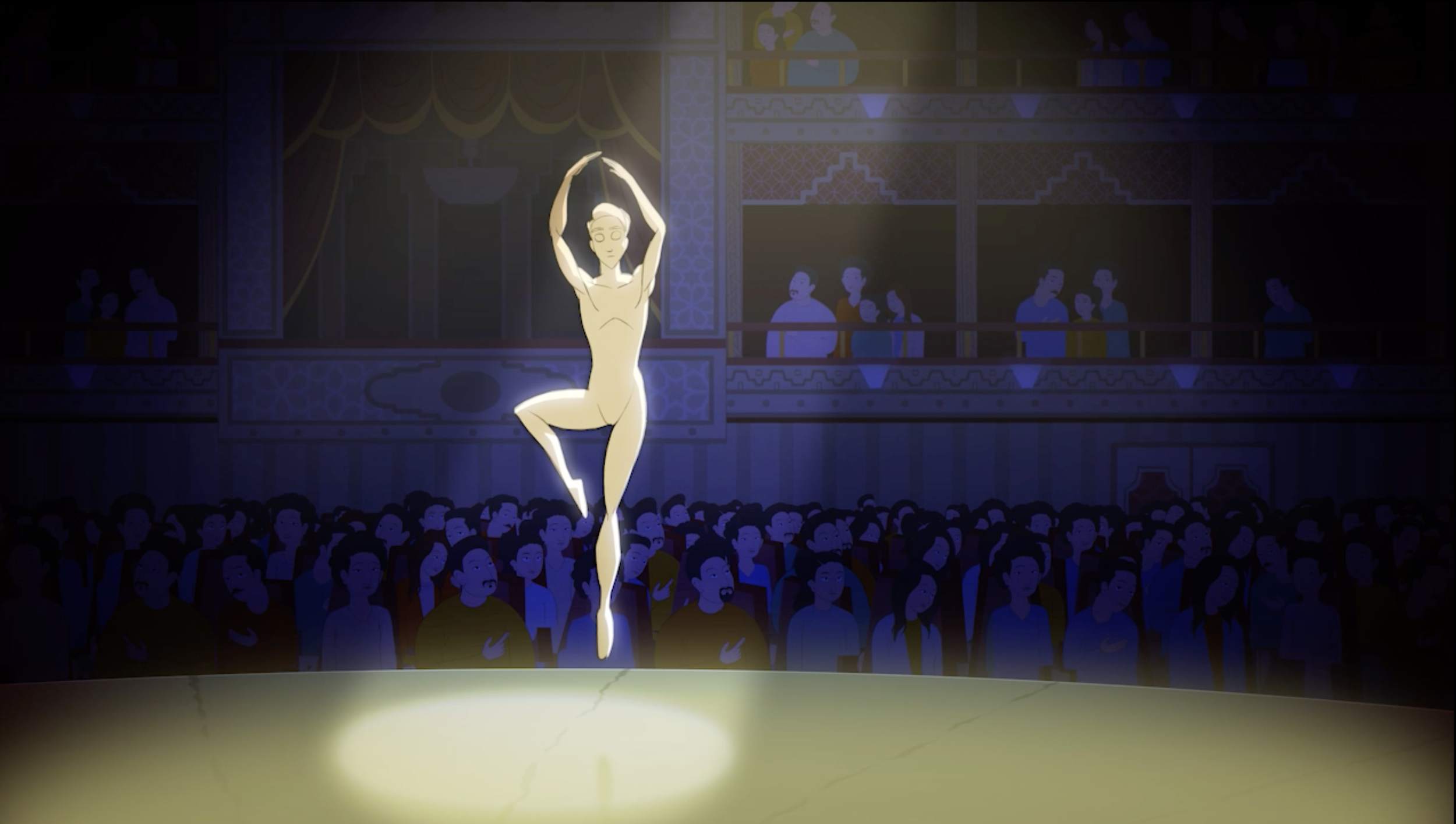
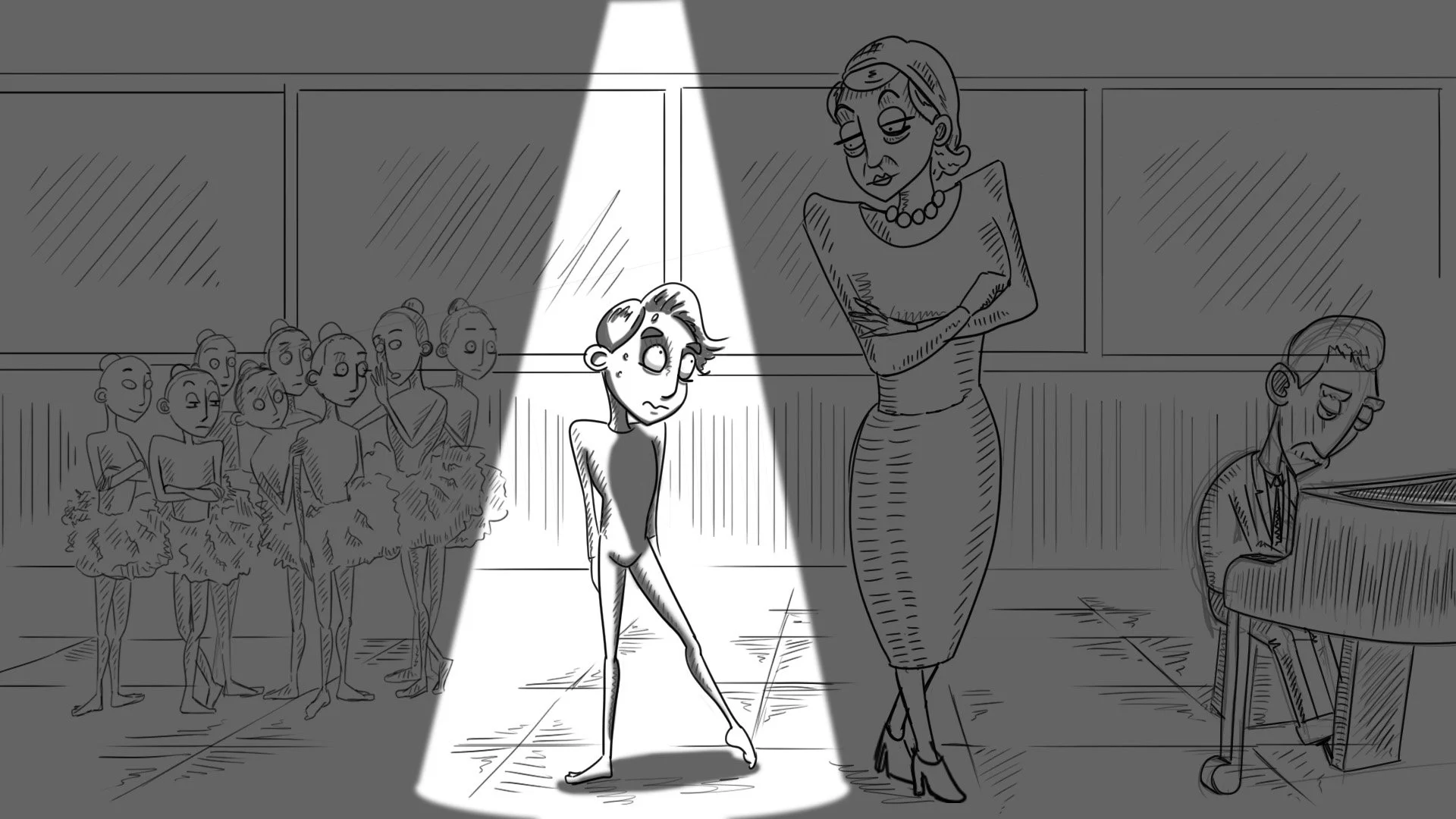
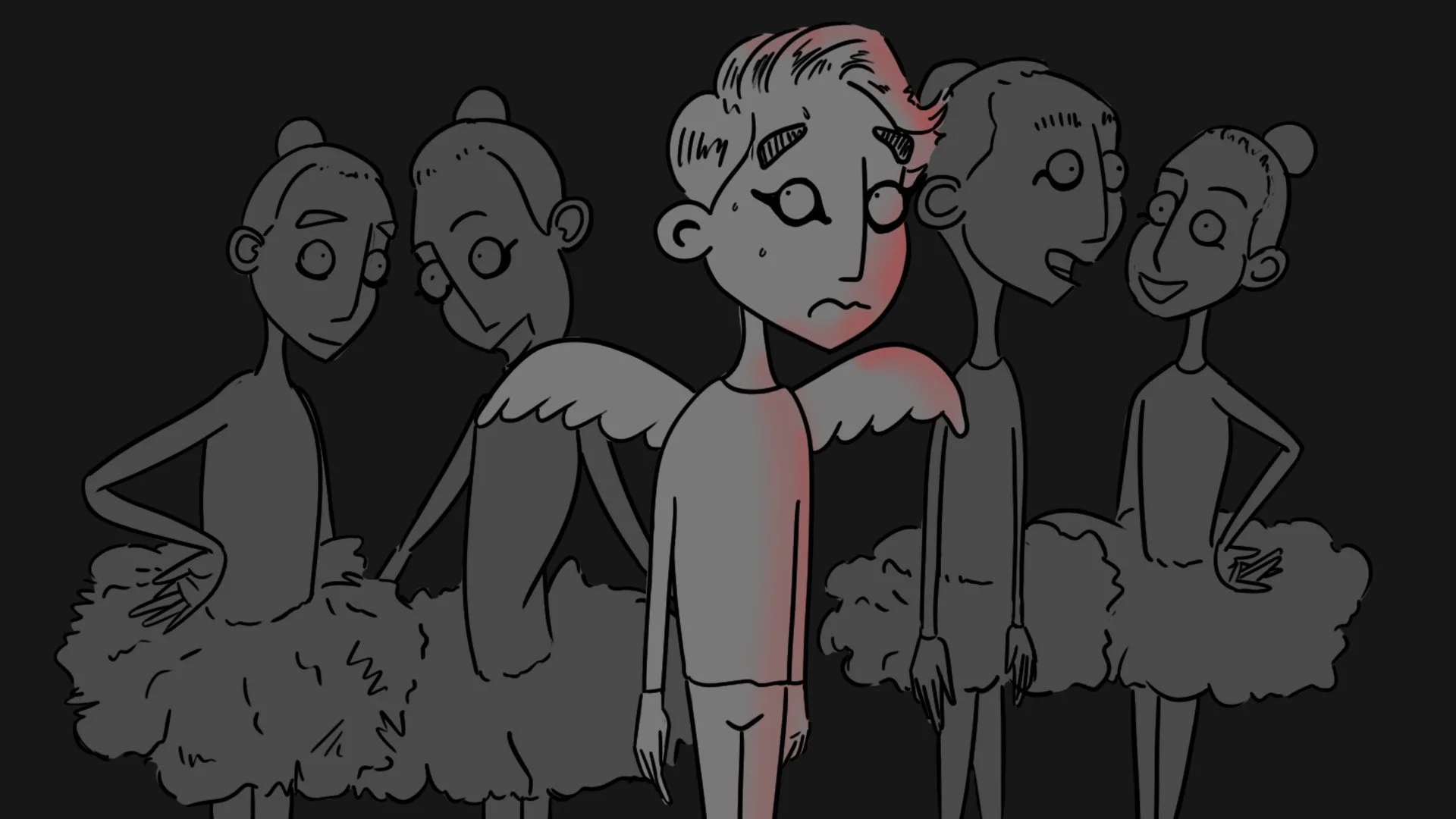
From an early age, the protagonist discovers dance as a calling. Though he is initially held back by stage fright, the guidance of his dance instructor helps him find confidence in performance. His talent and discipline carry him into the world of professional ballet, and, while still young, he rises to fame. Onstage, he finds not only achievement but also identity.
Rupture
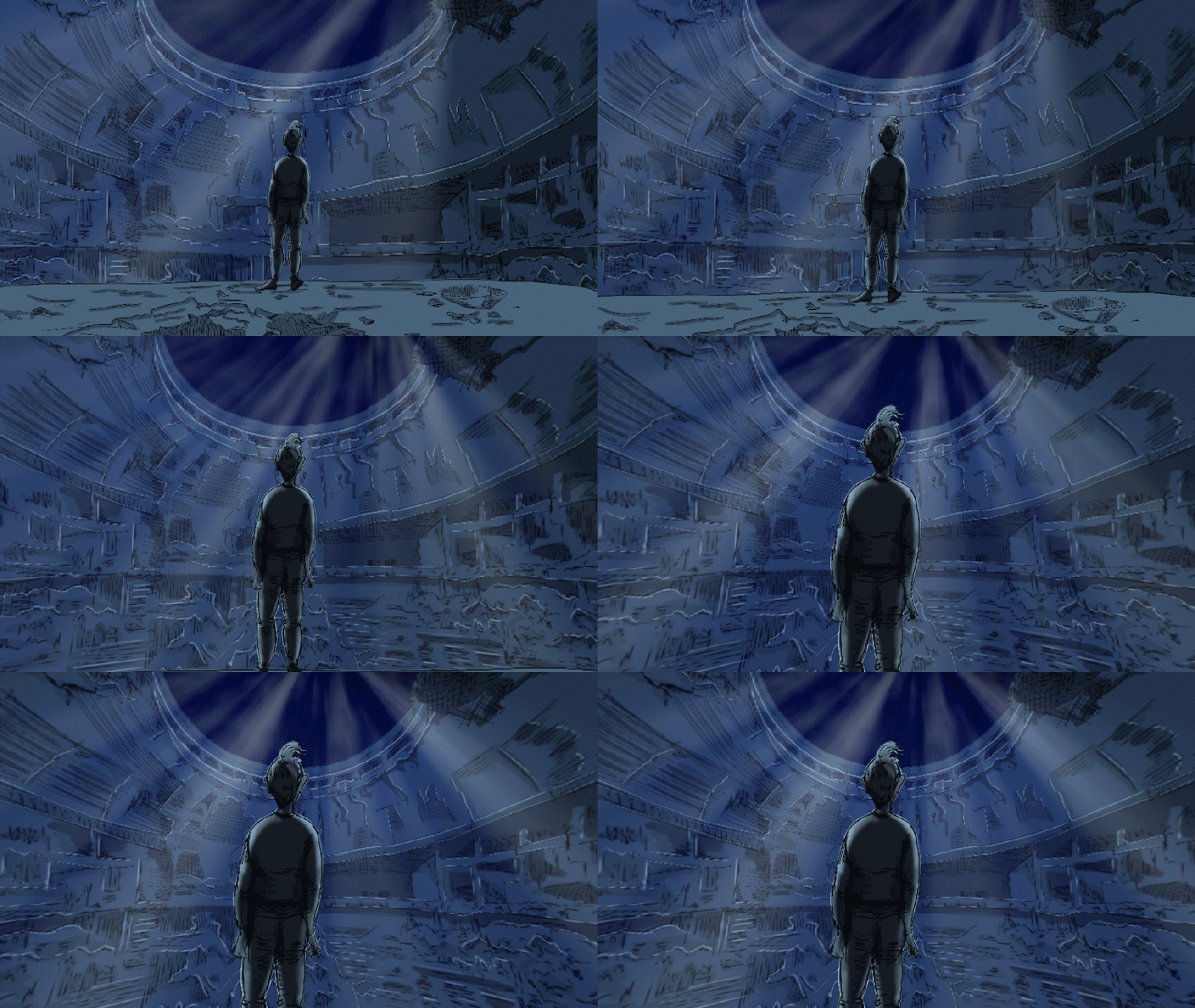
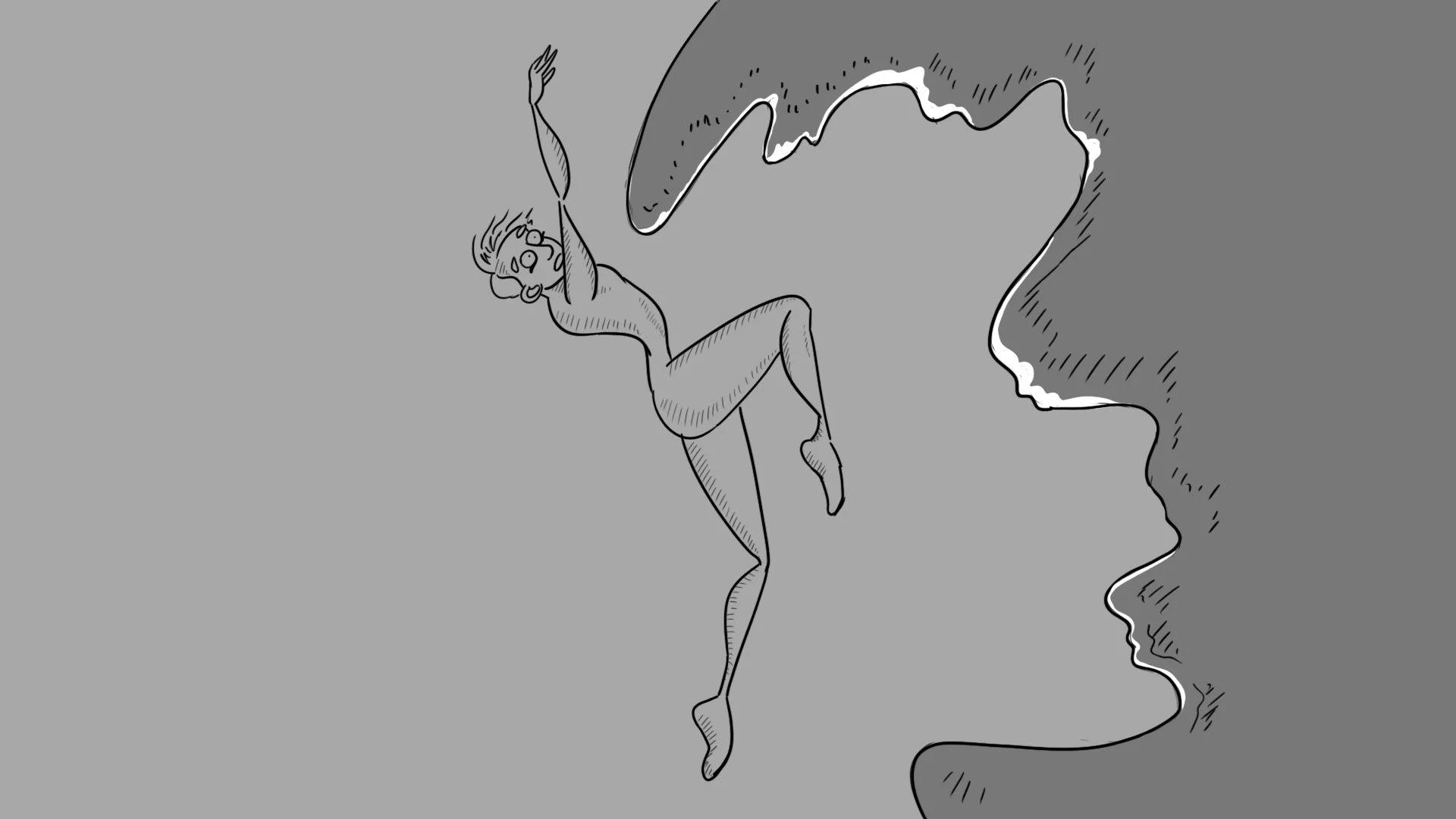
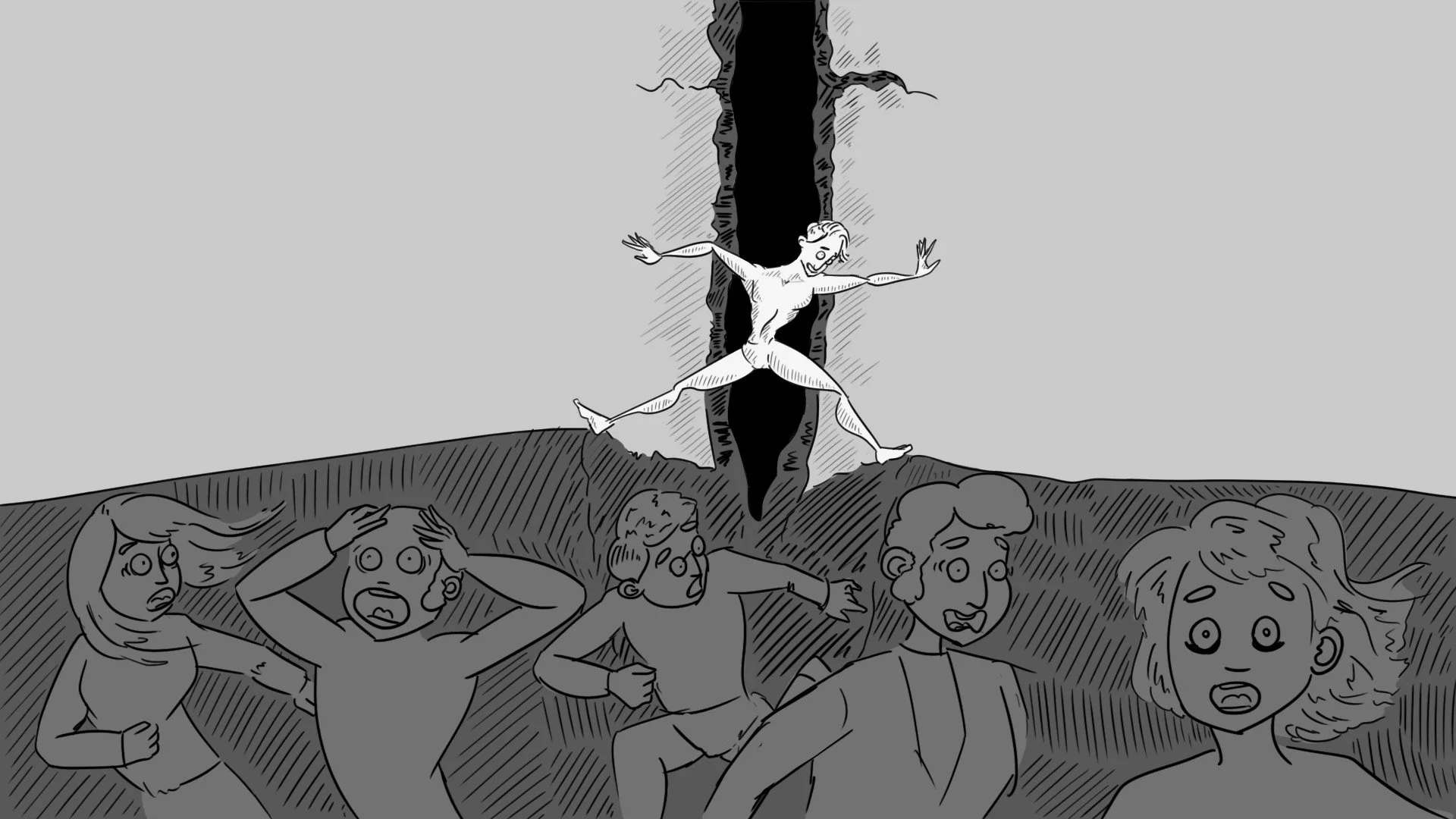
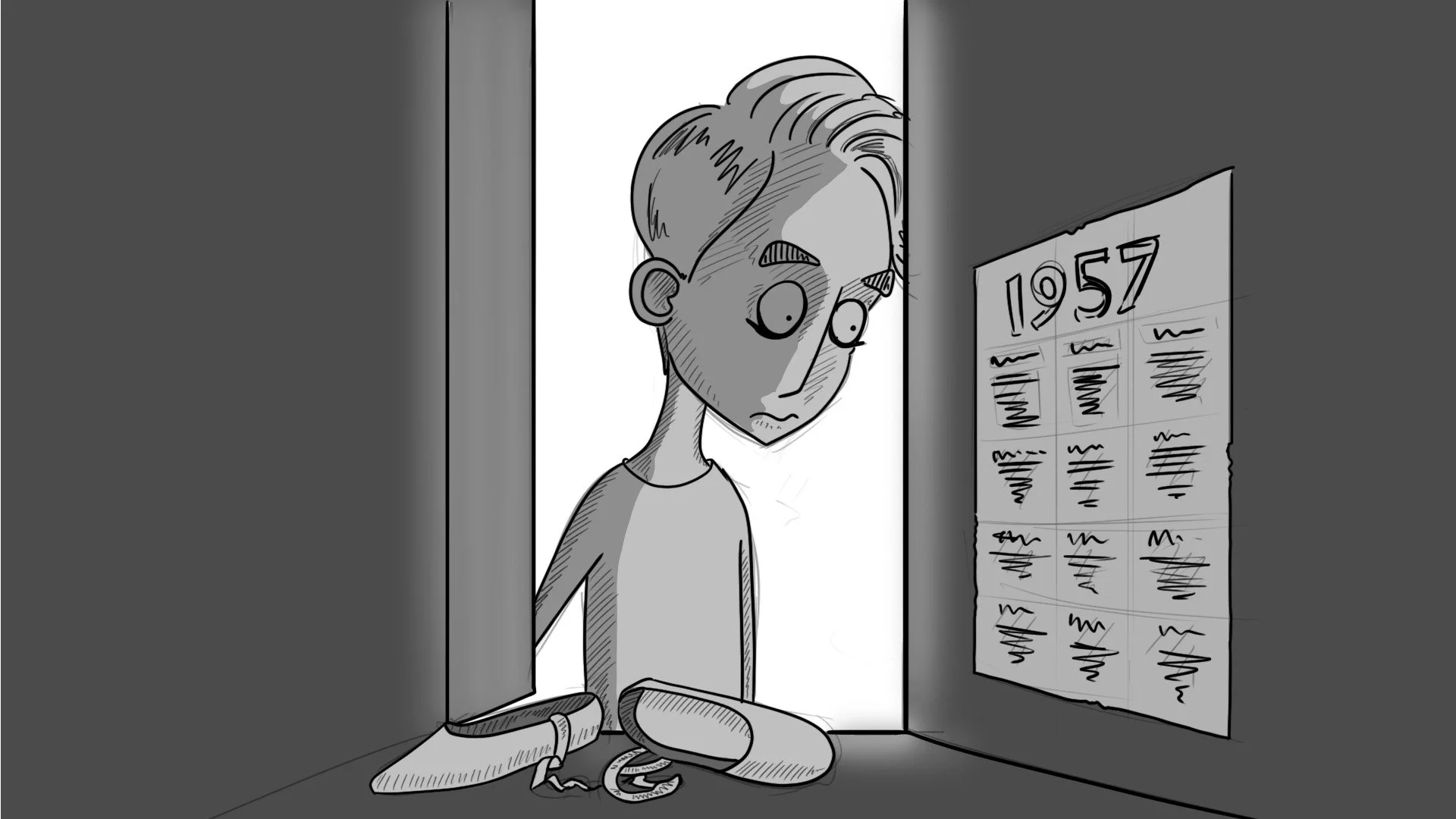
The 1979 Revolution abruptly ends the world he has built. His career is cut short, and the stage that once gave shape to his life becomes inaccessible. What begins as a historic upheaval becomes a rupture: the loss of his art, his future, and his place in the world.
Withdrawal
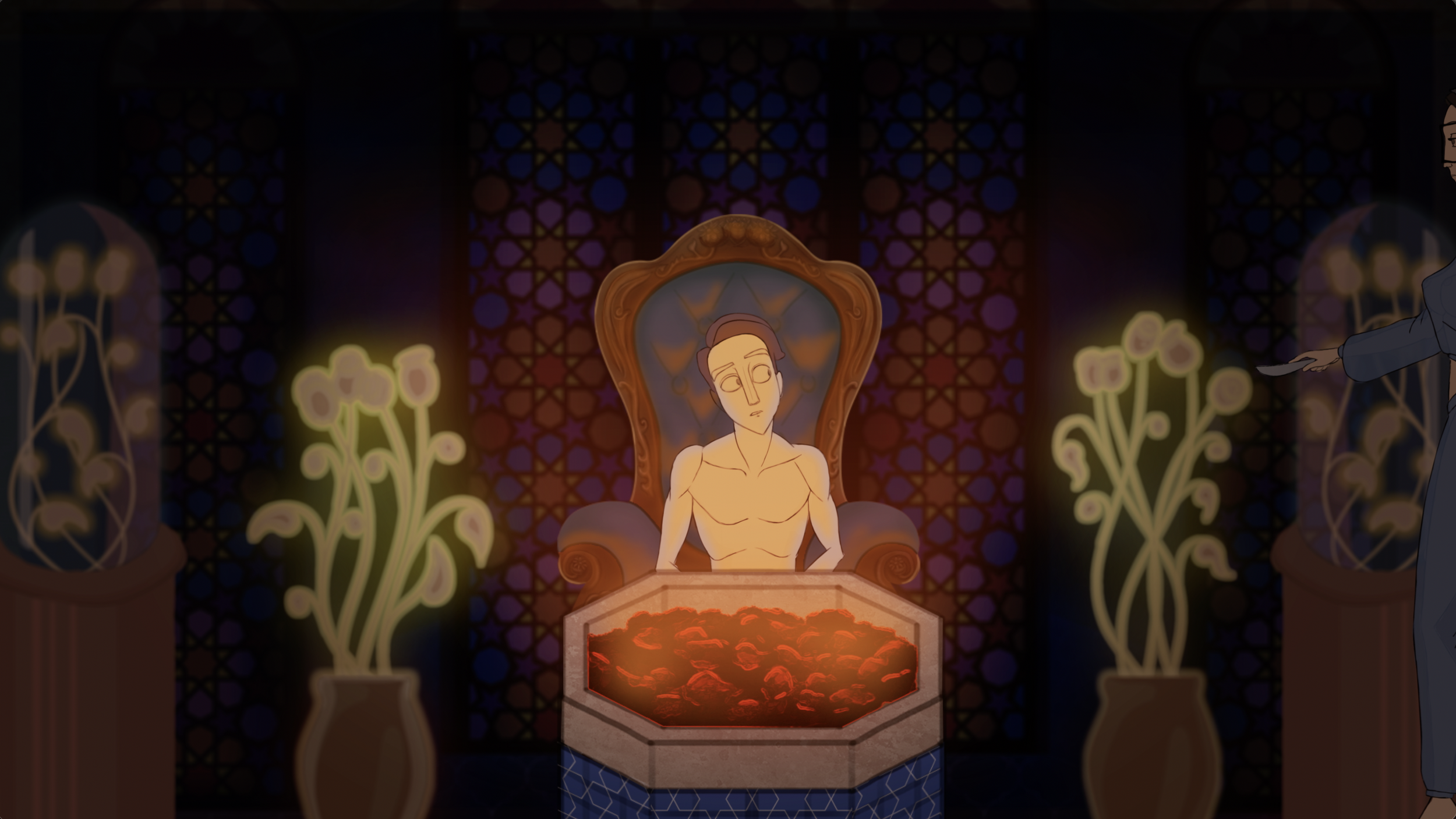
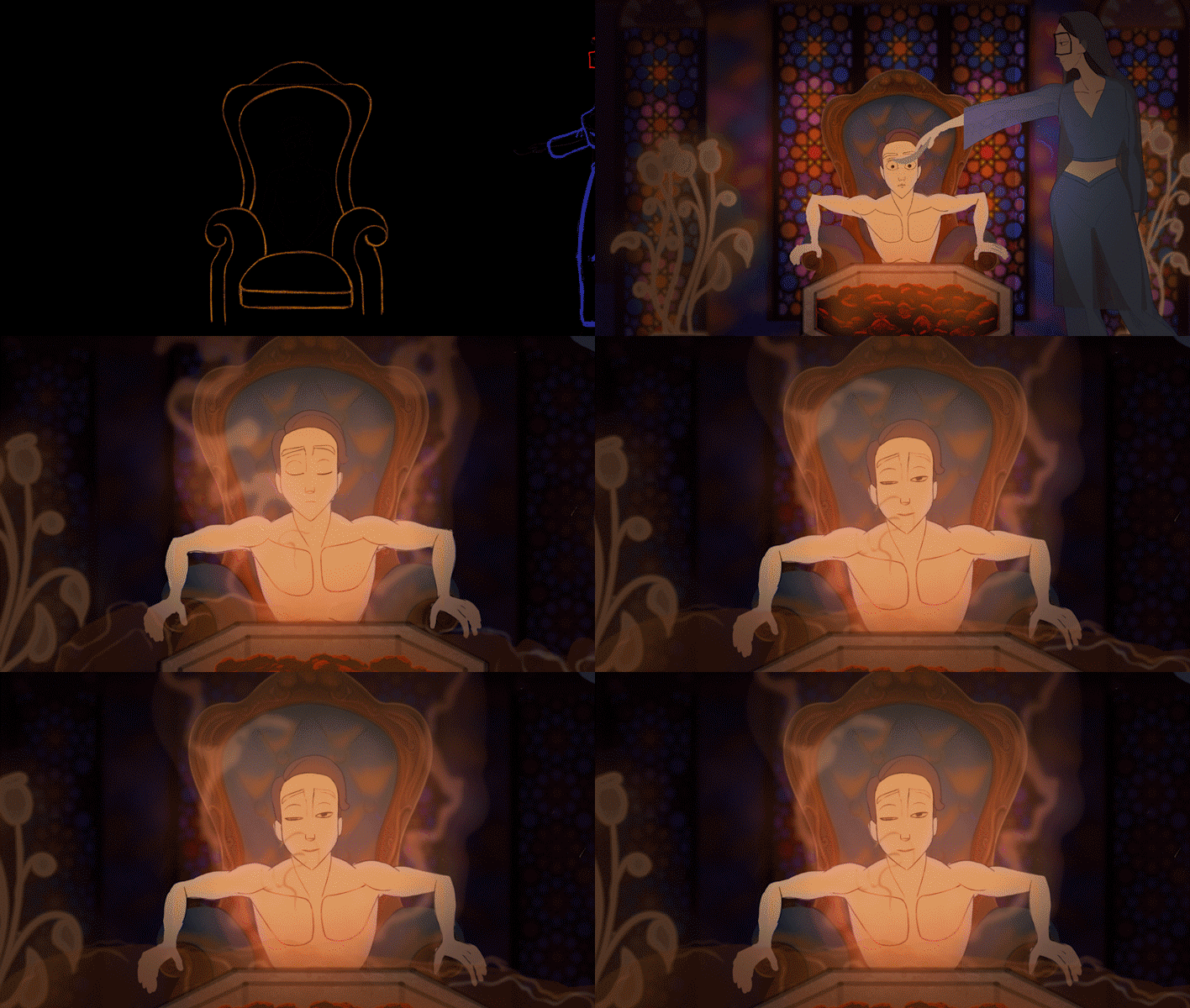
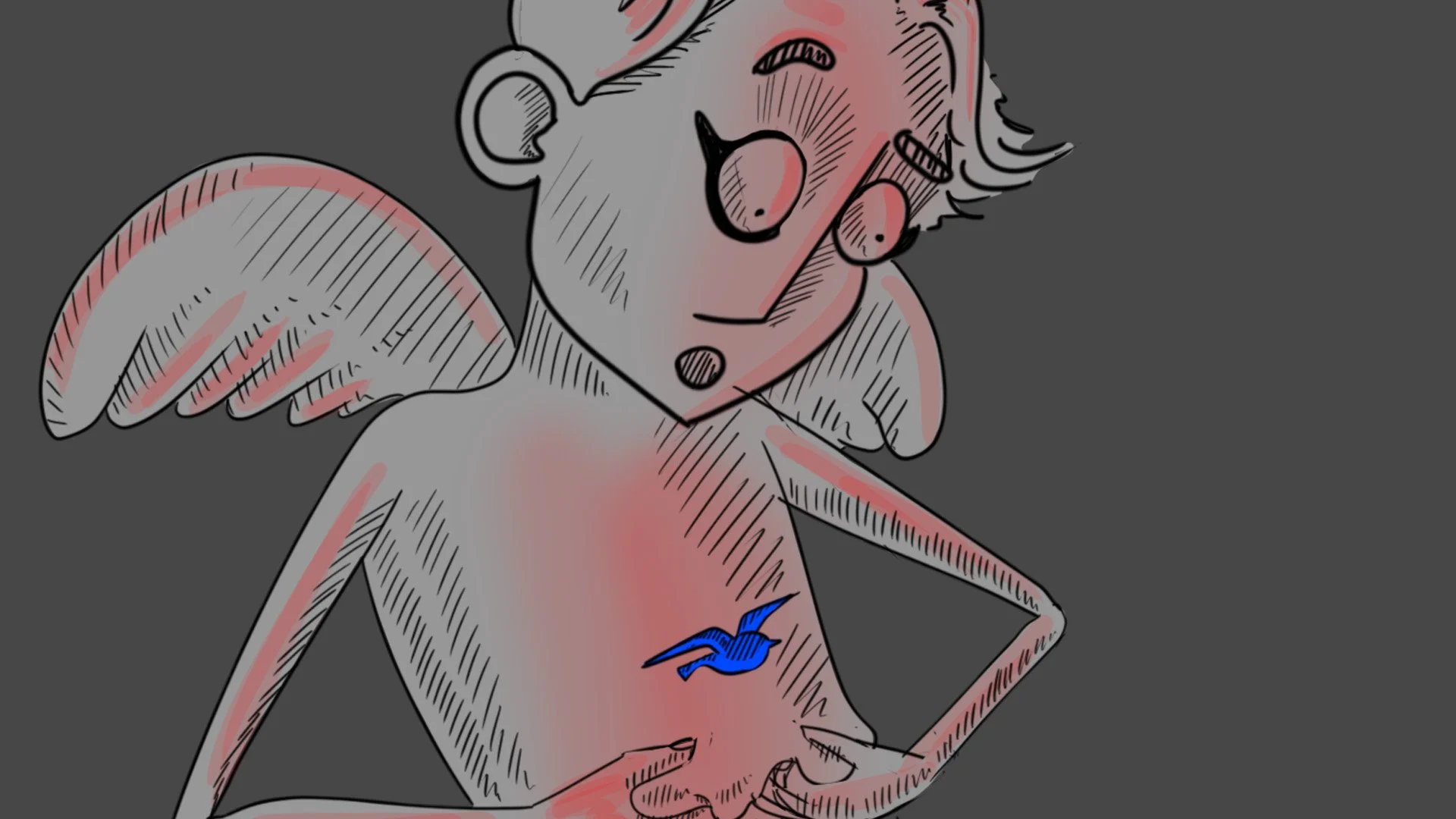
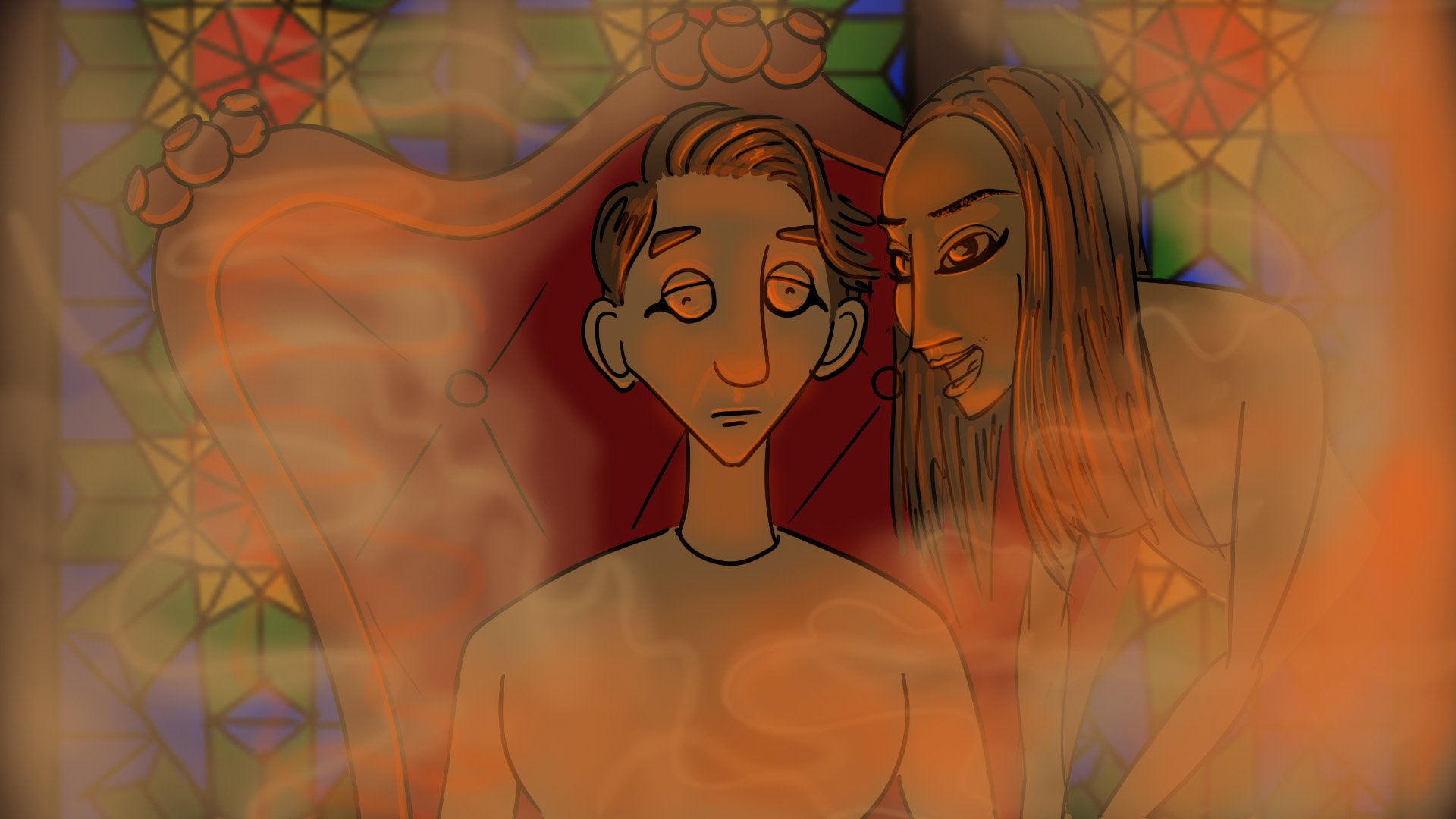
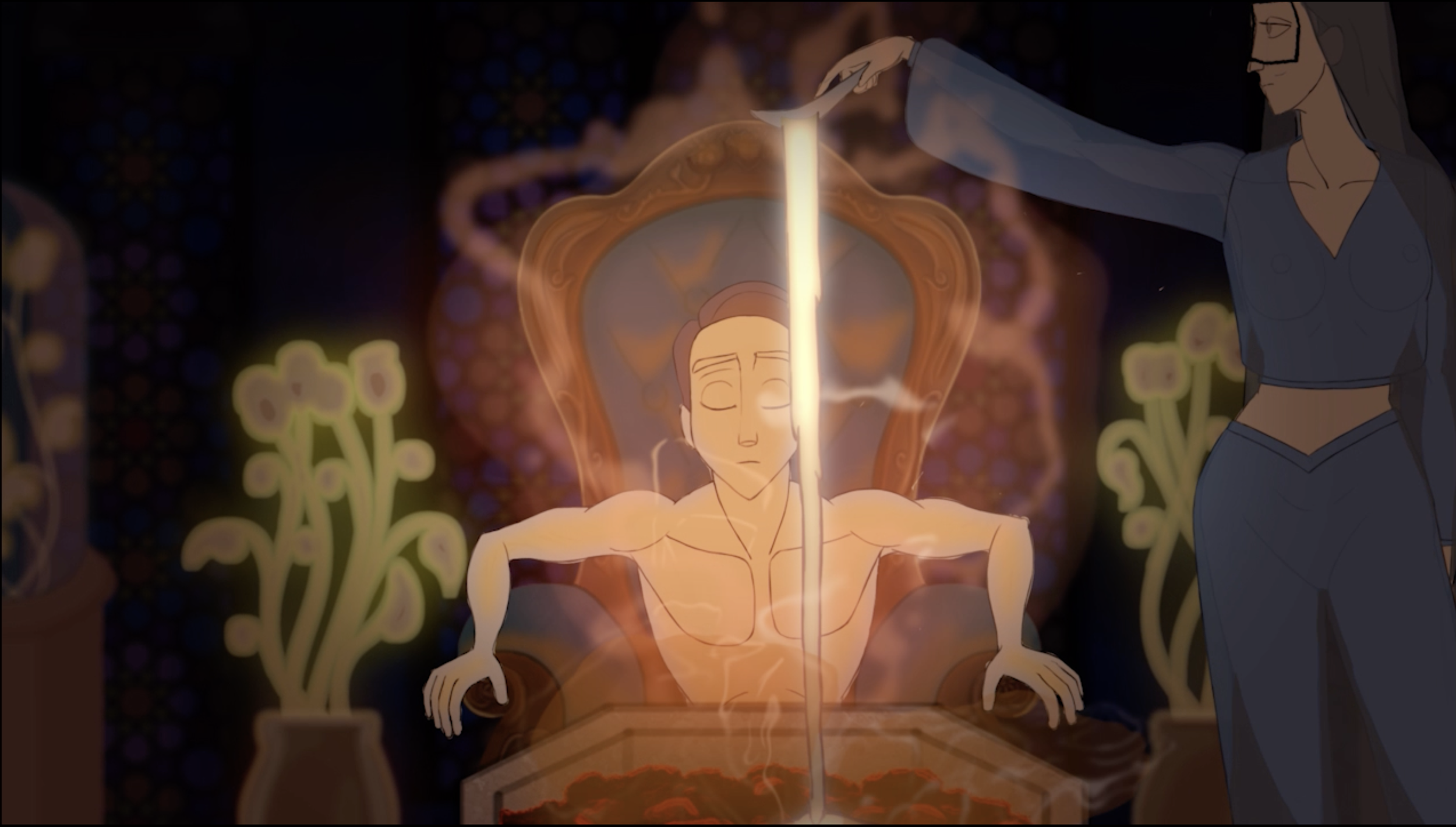
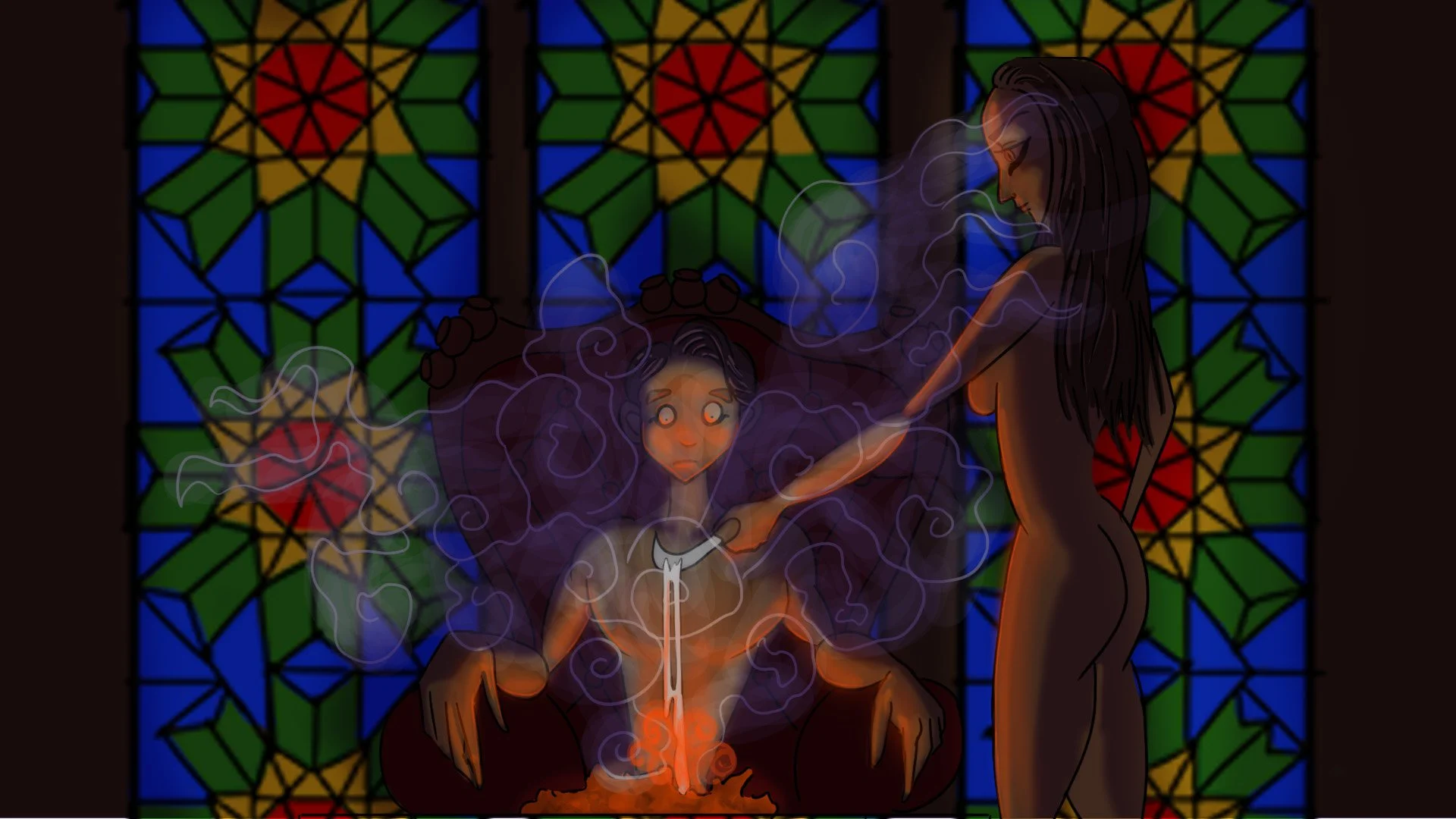
Unable to confront this loss, he withdraws from reality through addiction. This takes the form of Afyon, a seductive and protective figure who draws him into a private world beyond pain and memory. Under her wing, escape initially feels like refuge—until it can no longer protect him from what he has abandoned.

Return
Near the end of his life, his mentor Ninette de Valois visits him and returns his bluebird brooch. Her arrival reconnects him to the art and self he believed were gone forever. The bluebird becomes a symbol of redemption and return, opening the possibility of one final reunion with the stage.
Characters
The Dancer
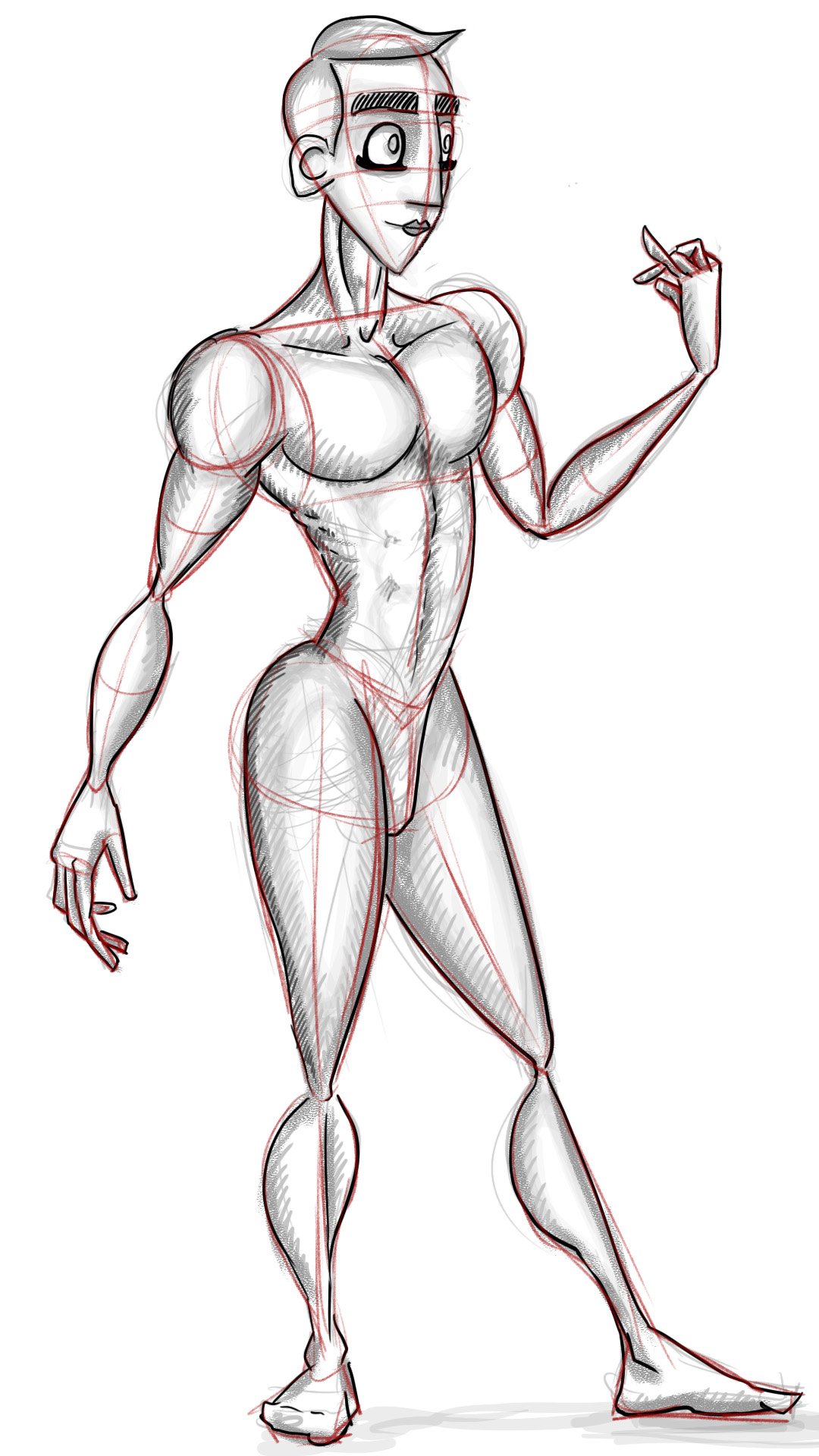
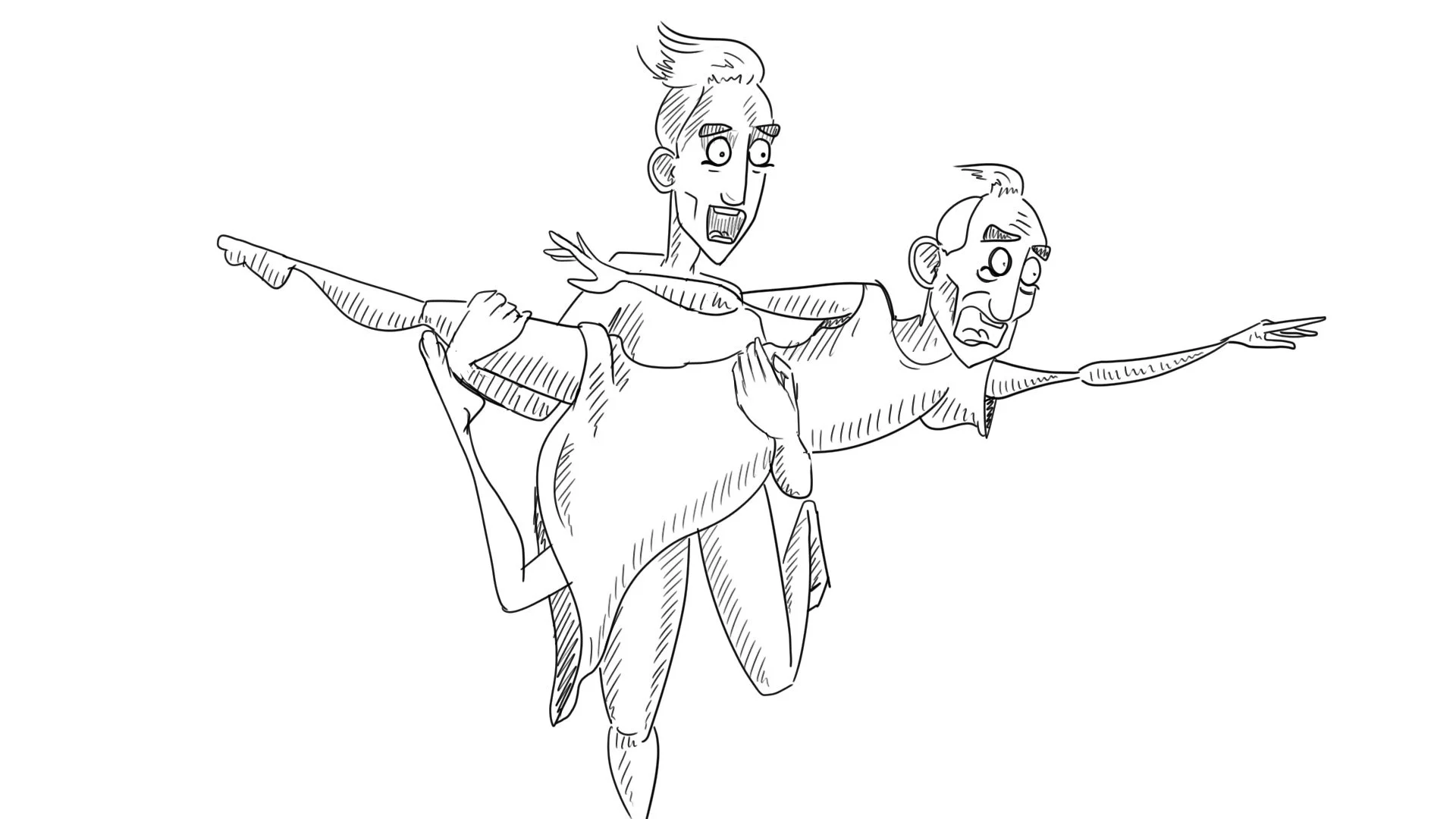
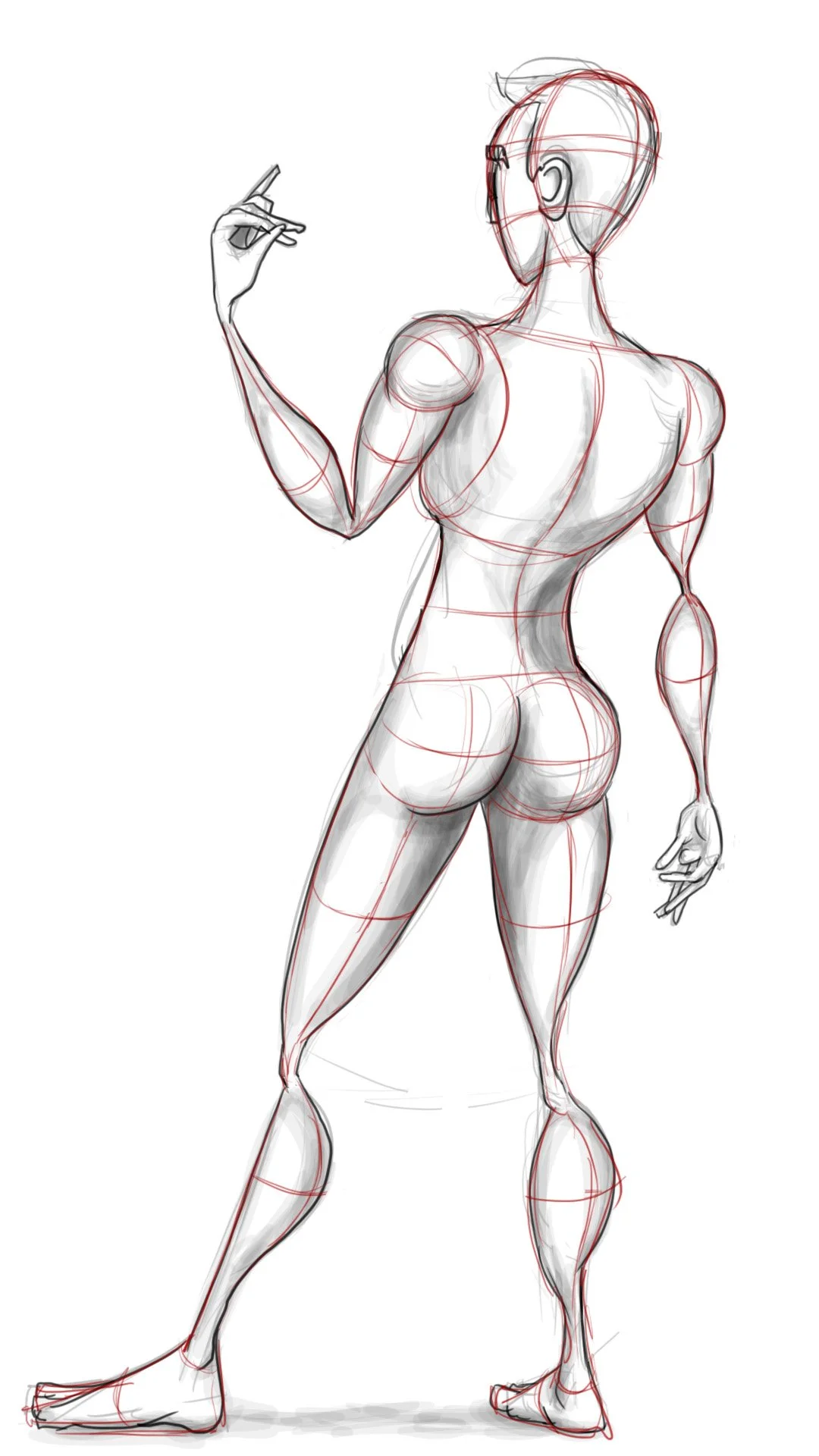
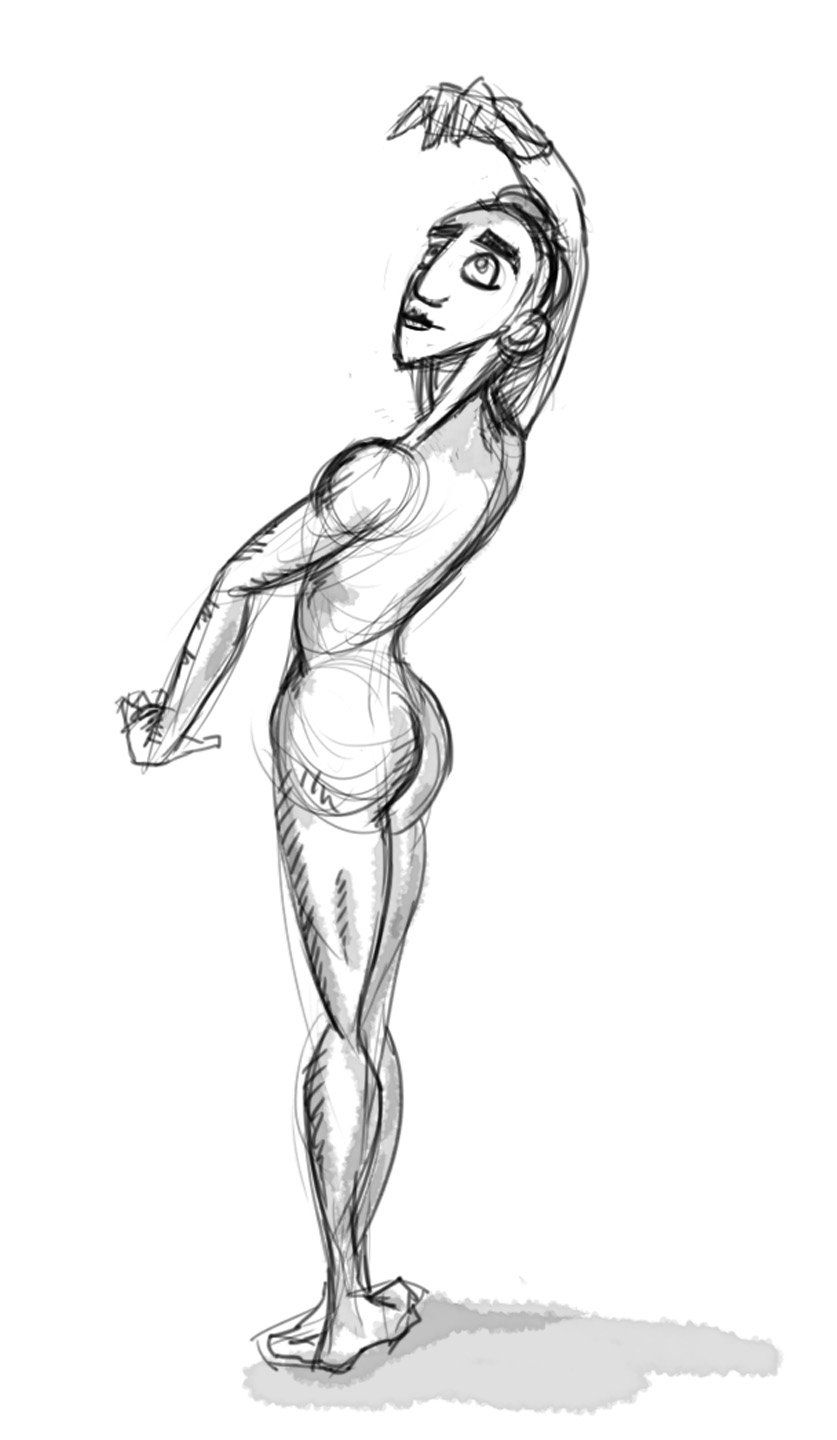
The protagonist is loosely inspired by my father. Lean, nimble, and physically expressive, he is seen across three stages of life: as a child discovering dance, as a young man at the height of his career, and in old age, carrying the weight of what was lost.
Instructor
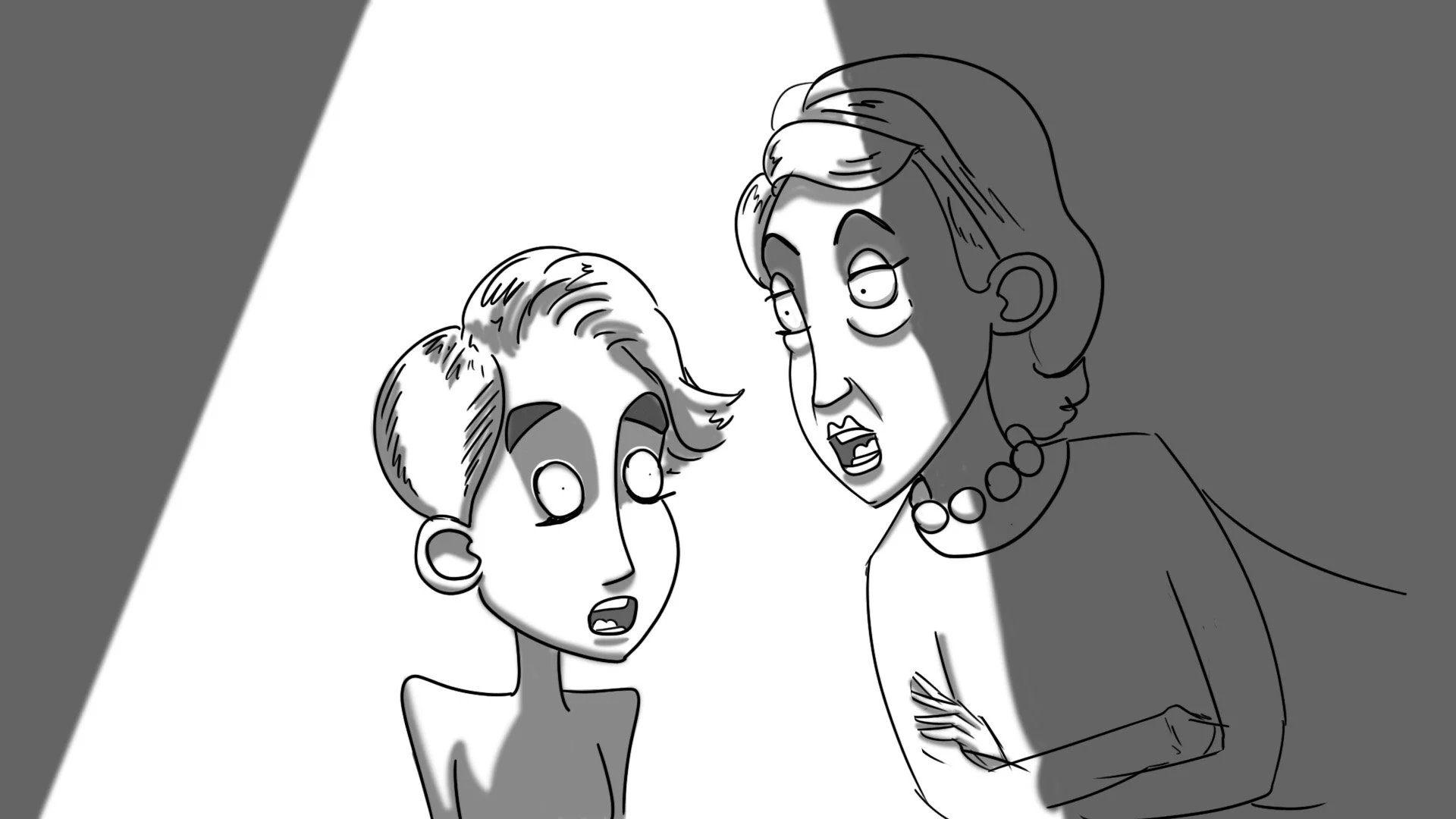
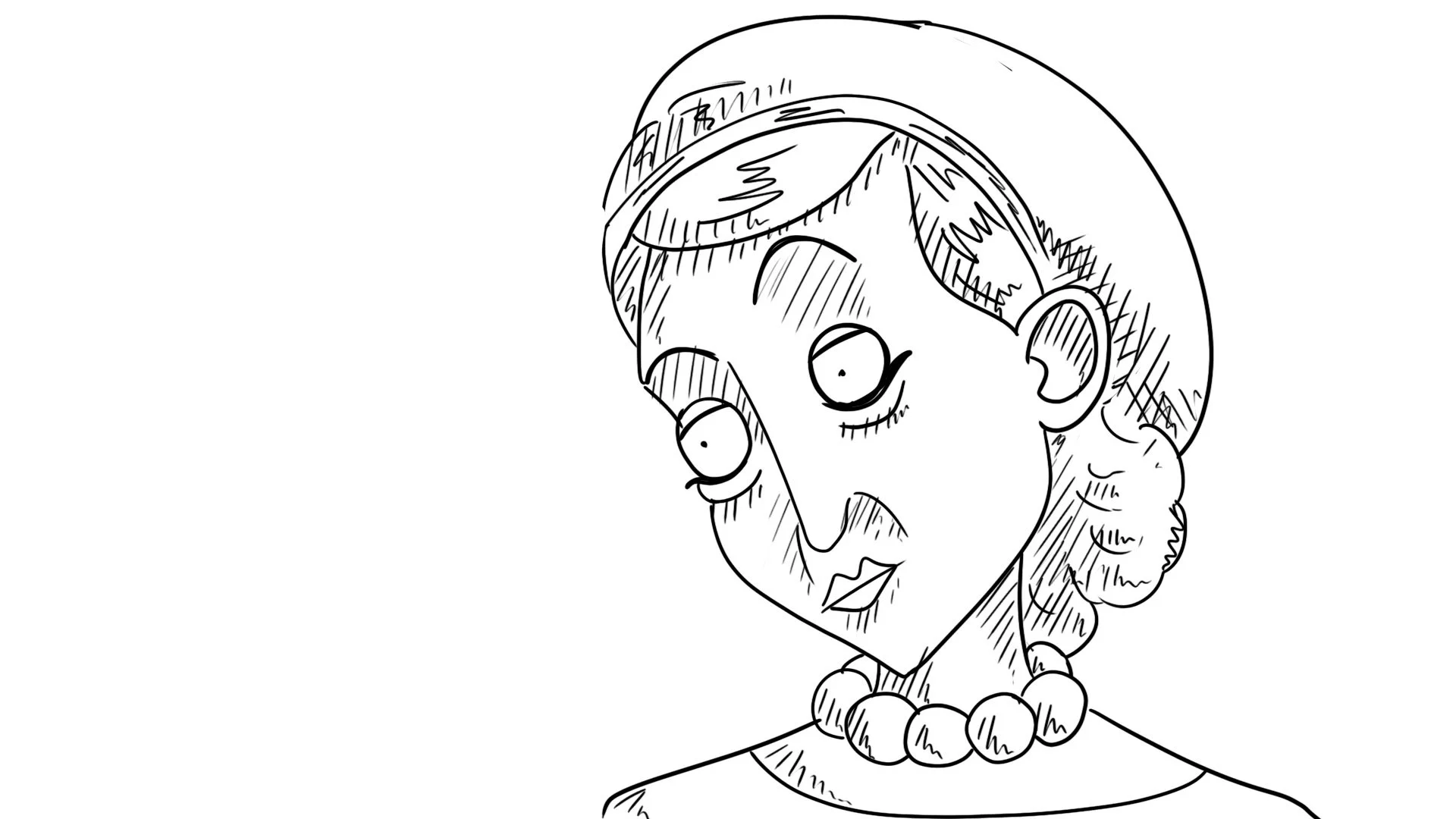
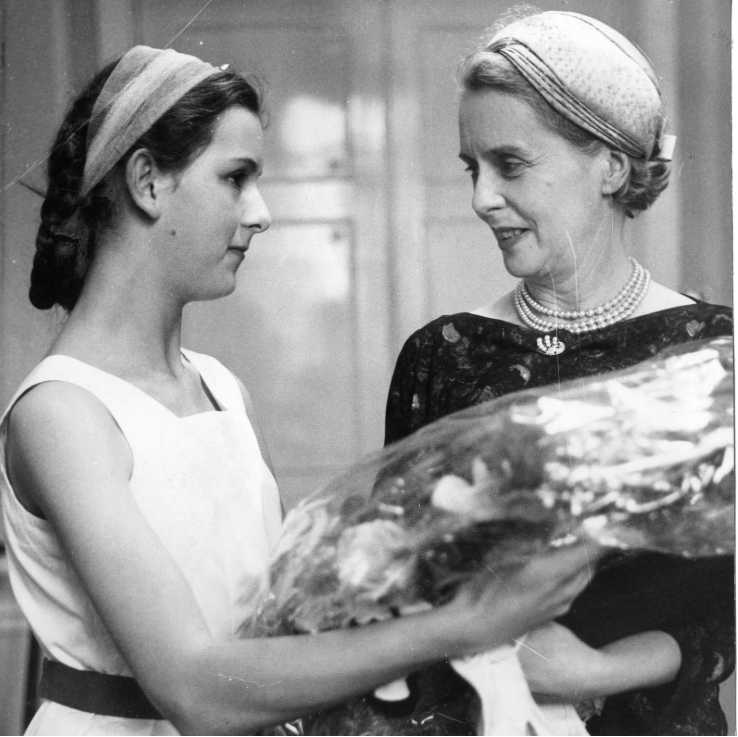
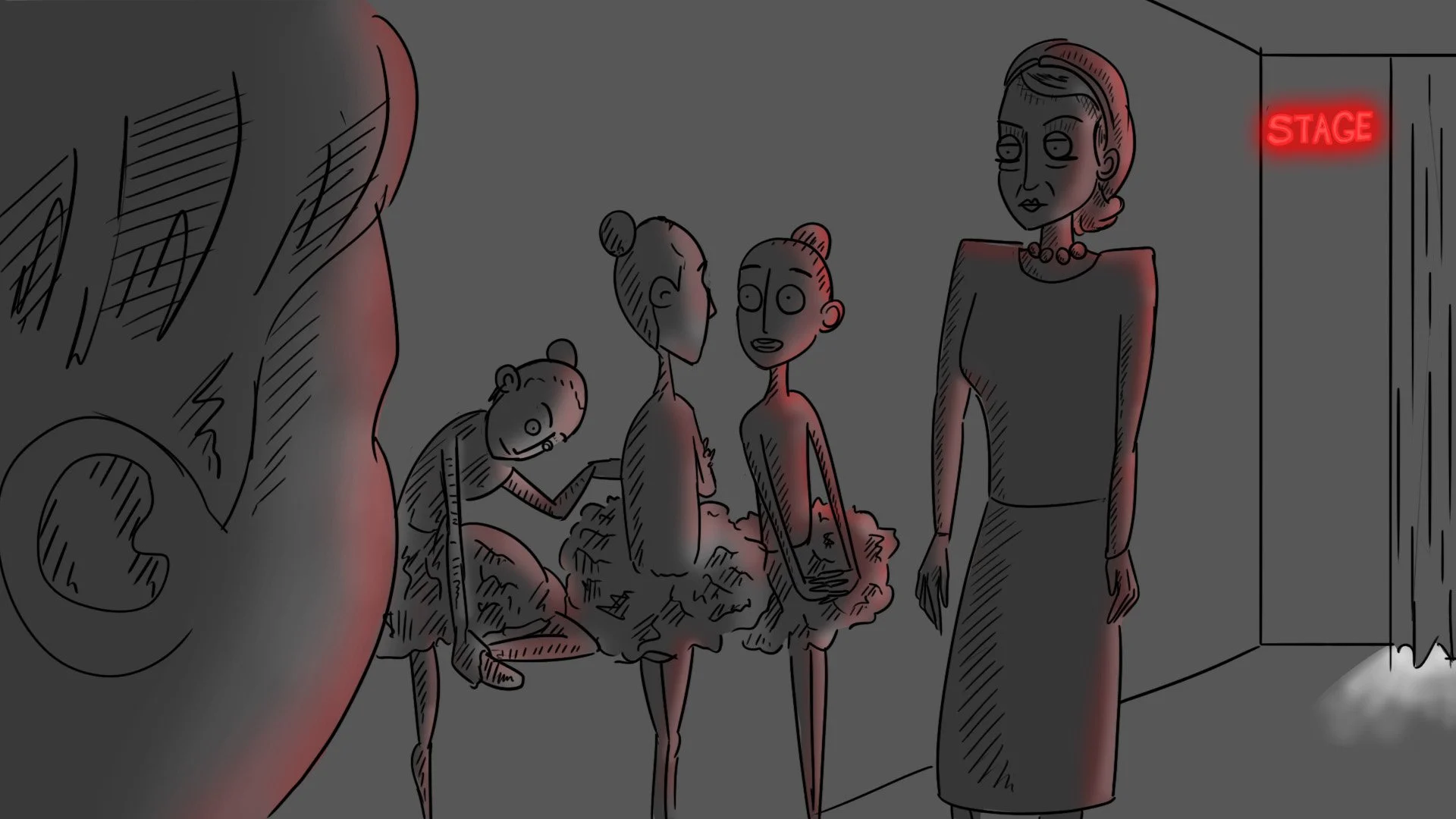
The dancer’s teacher and mentor is inspired by the charismatic ballerina Ninette de Valois, whom my father met early in his career. She recognizes his potential and guides him toward artistic confidence. Later, her presence reconnects him to the part of himself that he believed had been lost.
Afyoun
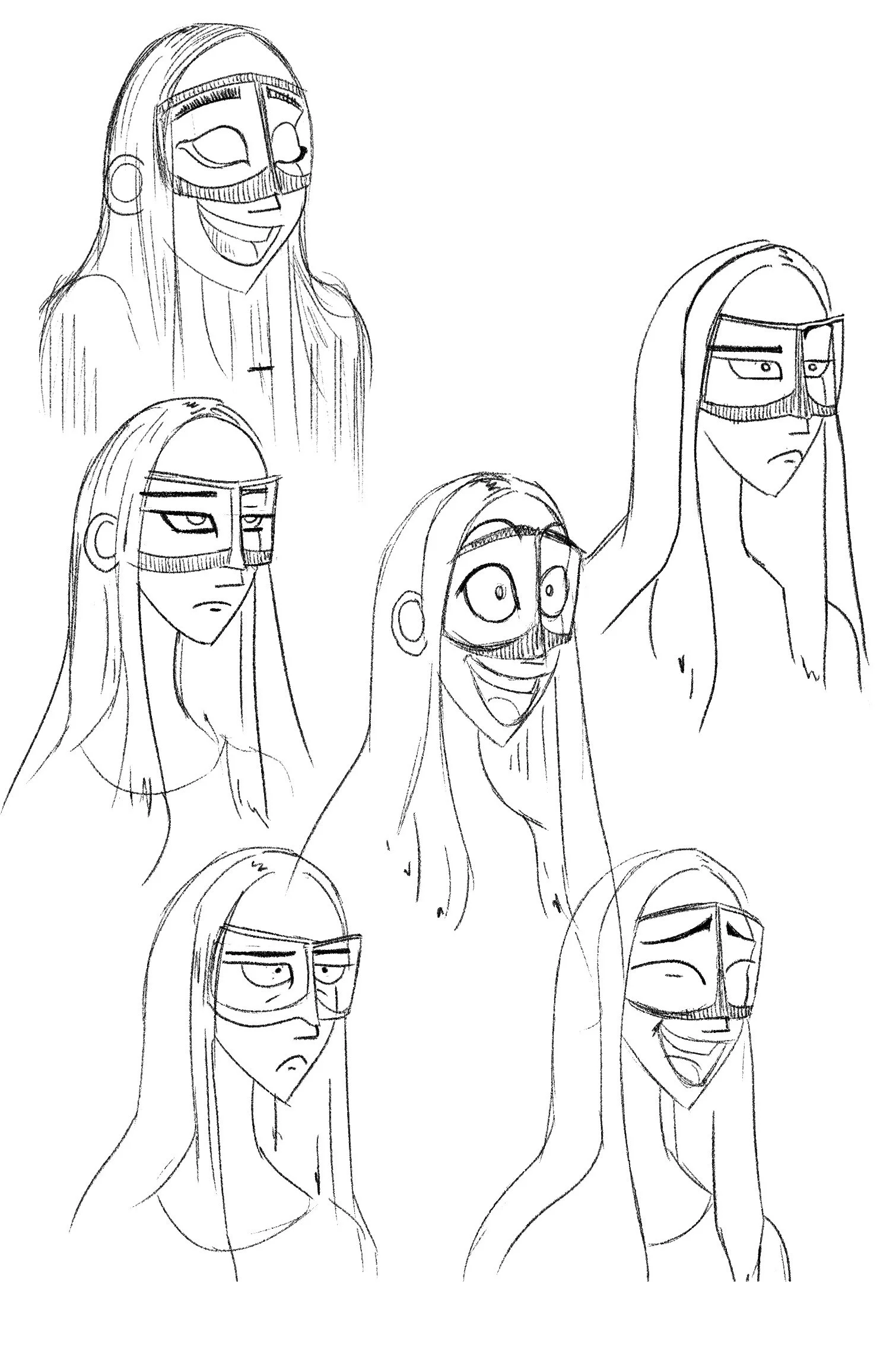
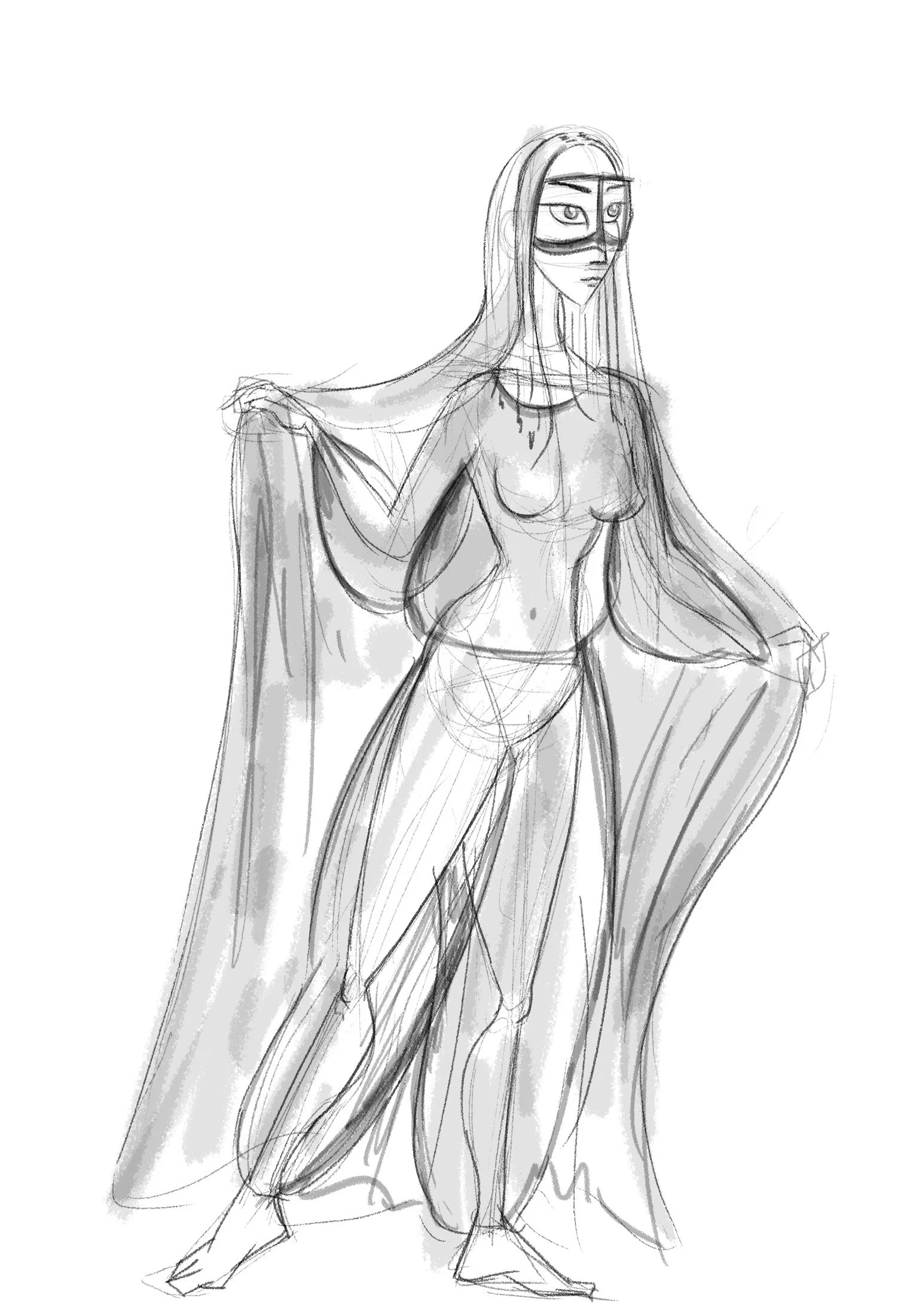
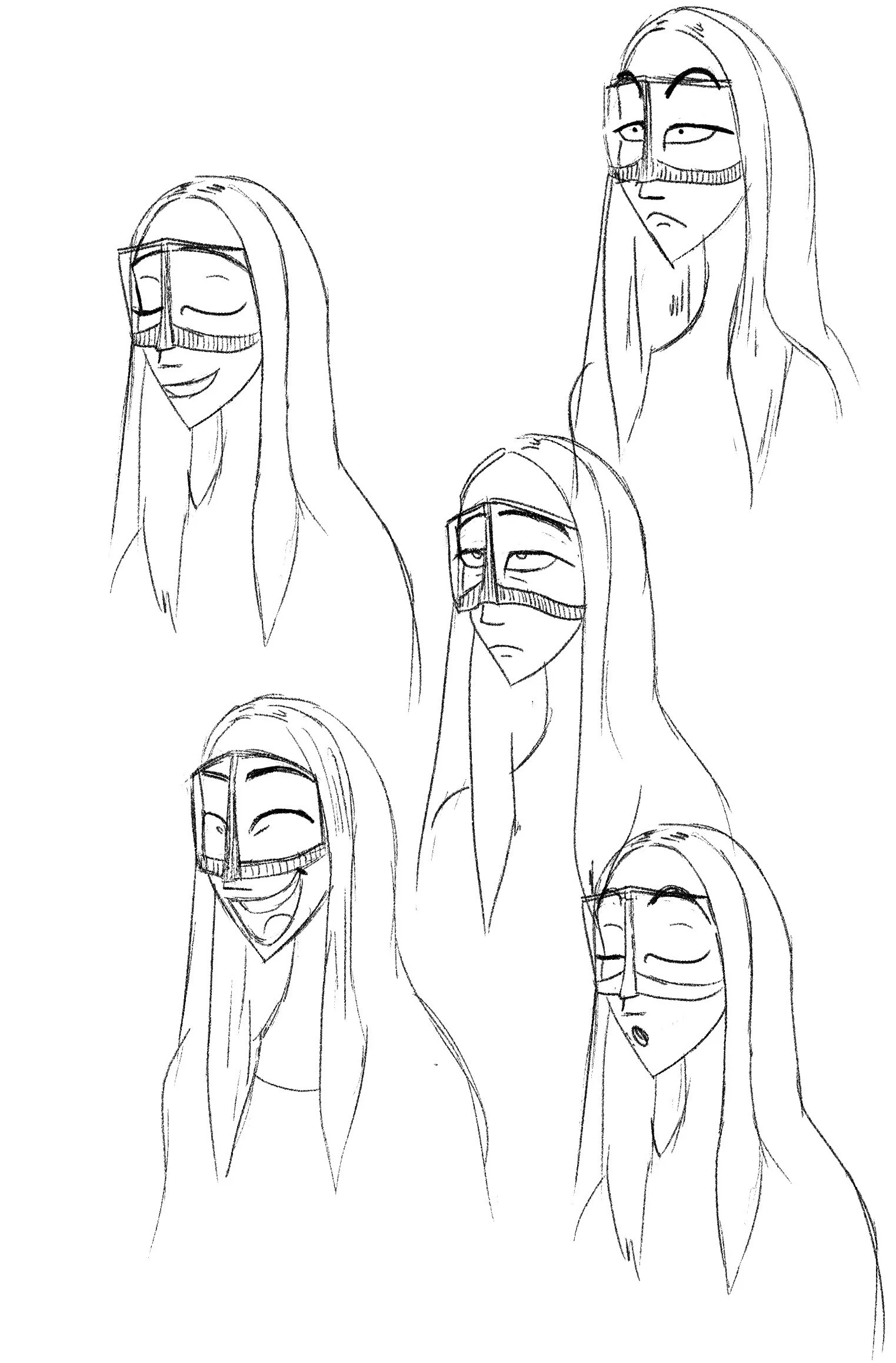
Afyoun is a fictional character who embodies addiction and the desire to escape pain. She appears as a seductive woman who draws the dancer away from reality, offering refuge from grief until that refuge becomes a trap. Her appearance and costume are inspired by the dress and visual culture of women from southern Iran, Bushehr and Bandar Abbas.
Visual Language and Influences
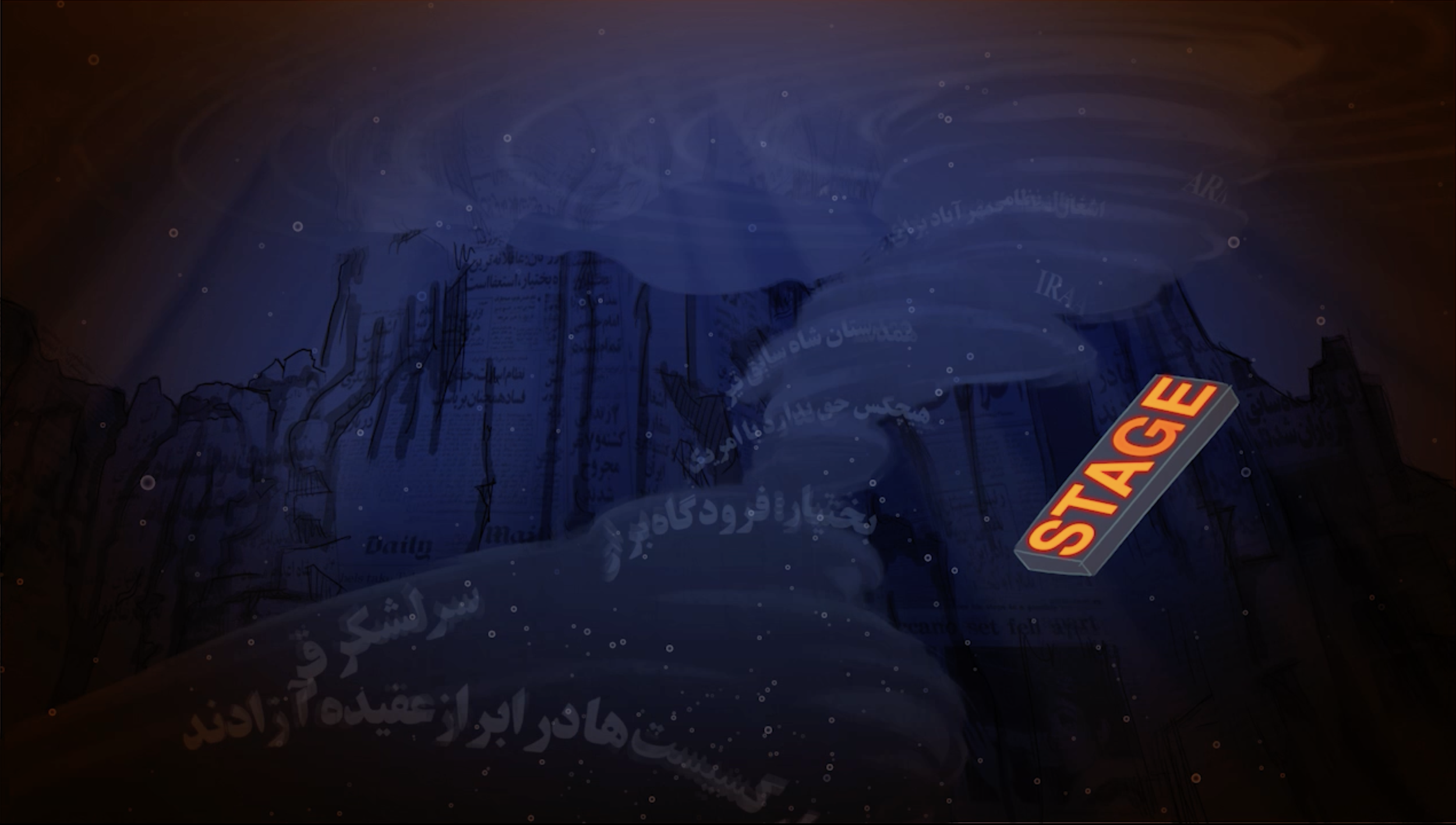
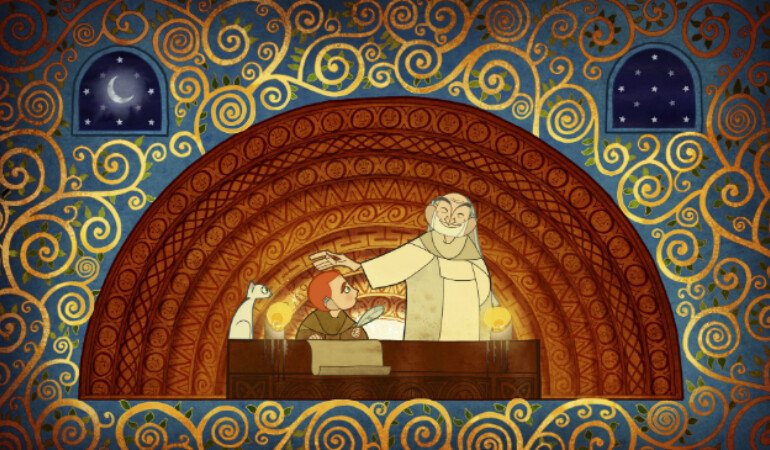
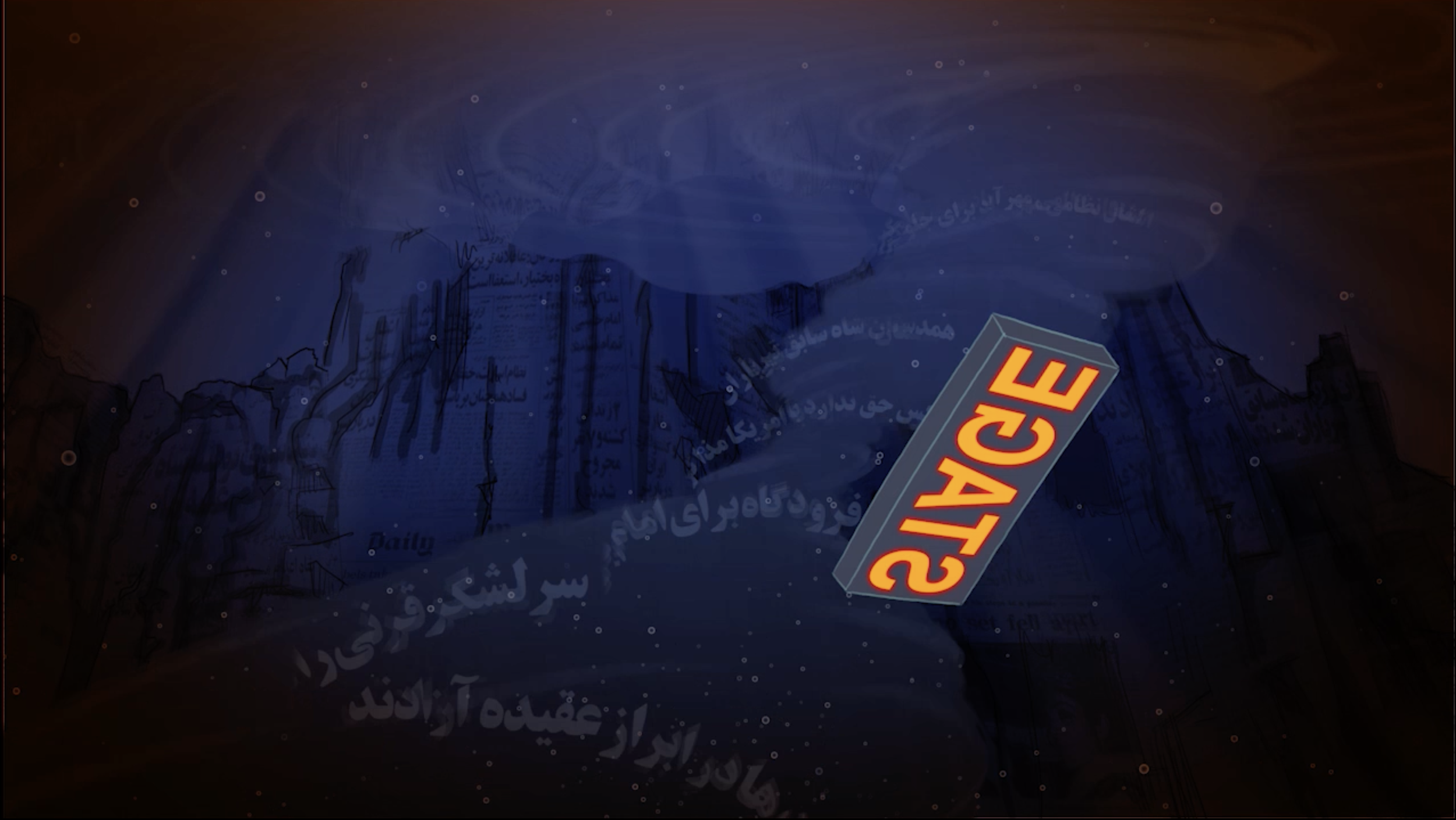
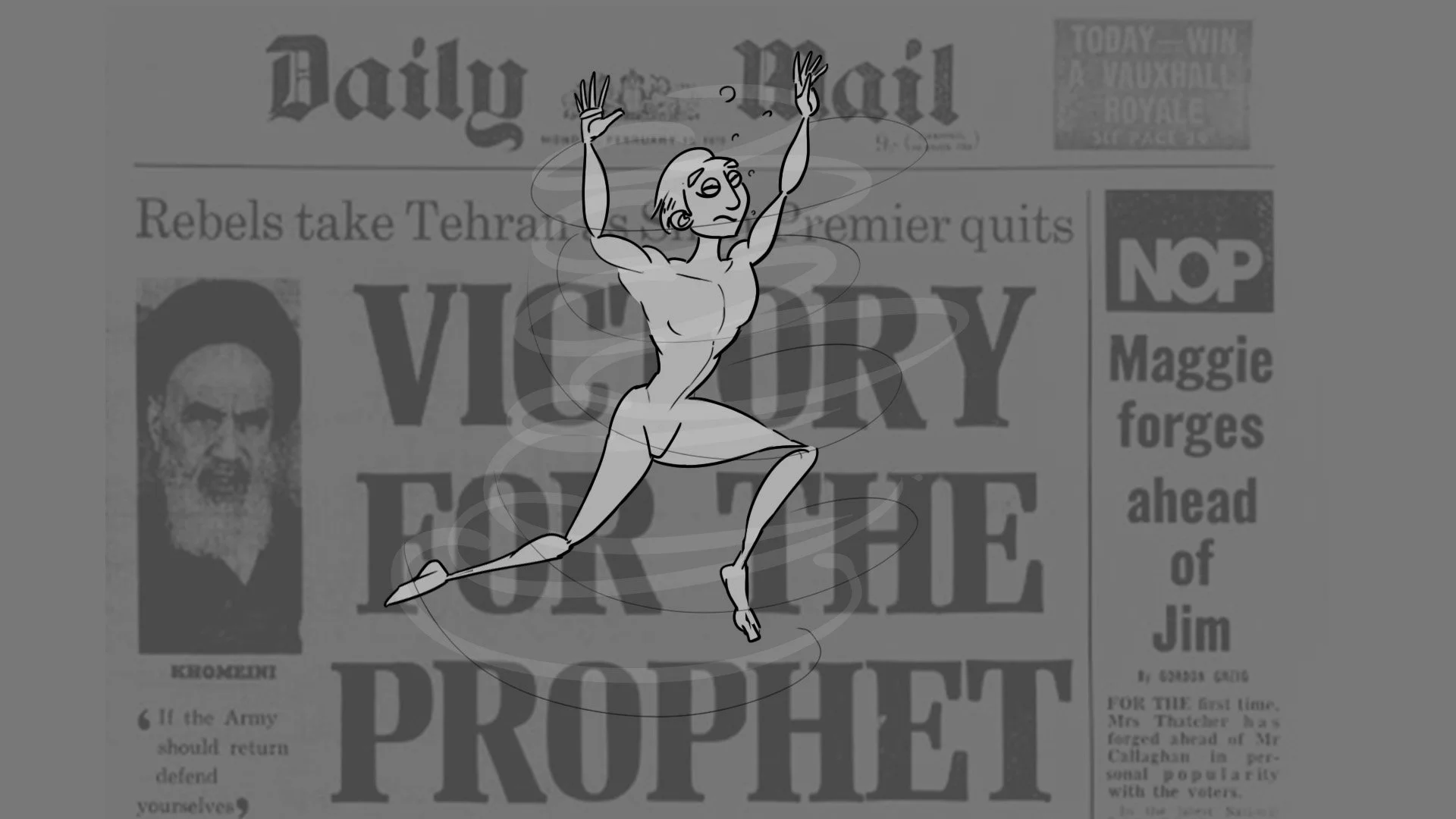
The visual language of Bluebird is primarily informed by Iranian illustration, whose layered compositions, decorative detail, symbolic imagery, and expressive use of color shape the film’s world. Its flattened, non-naturalistic perspective—where depth does not follow a single realistic point of view—also informs how the film approaches dimension and space. This allows environments to feel theatrical, symbolic, and emotionally responsive rather than strictly realistic. The Secret of Kells is an example of how this historical style can be used effectively in animation. Typography appears throughout the film, serving as image, texture, rhythm, and an extension of its emotional language. Poetry, an inseparable part of Iranian culture and everyday life, is a recurring presence in the art direction. News headlines about the Revolution gather into a whirlpool, pulling the protagonist in and evoking the chaos of the era.
At the same time, the film is grounded in real places and events: Rudaki Hall, the 1979 Revolution, and the photographs, brochures, and other archival traces from my father’s career. These materials guide the film’s form, allowing personal evidence and historical memory to coexist with imagination.